
Psychology Says Women Who Wear a “Uniform” Every Day Share These Traits

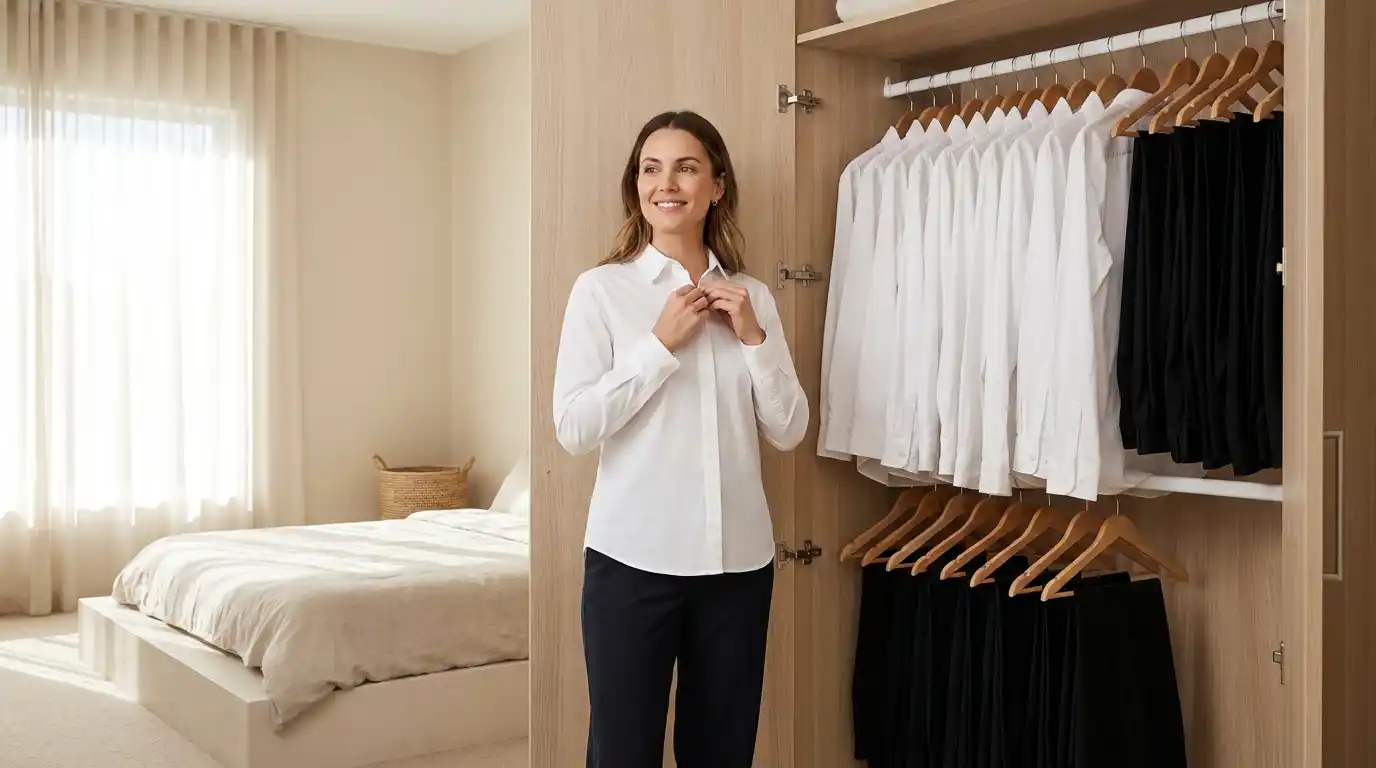
Every morning, countless women stand in front of a packed closet and feel like they have nothing to wear. Some have quietly stepped out of that cycle.
They wear more or less the same thing every day, whether that’s black trousers and a white shirt, a rotation of identical dresses, or a simple formula like jeans, a plain tee, and a blazer.
From the outside, it might look boring or even a little odd. But this choice usually says a lot about how these women think, what they value, and where they want their energy to go.
Here are the traits that tend to show up in women who dress this way, and how you can borrow the habit if your own mornings feel chaotic.
Key Takeaways
- ✓A personal uniform cuts down on small daily decisions and frees up mental energy.
- ✓Women who dress this way tend to be self-aware, organized, and less driven by outside approval.
- ✓Clothing can shape your mindset, so a consistent outfit can help you shift into focus mode.
- ✓You don’t need one exact outfit. A simple formula with small variations works just as well.
Psychology Says Women Who Wear a “Uniform” Every Day Share These Traits
1. She Protects Her Mental Energy
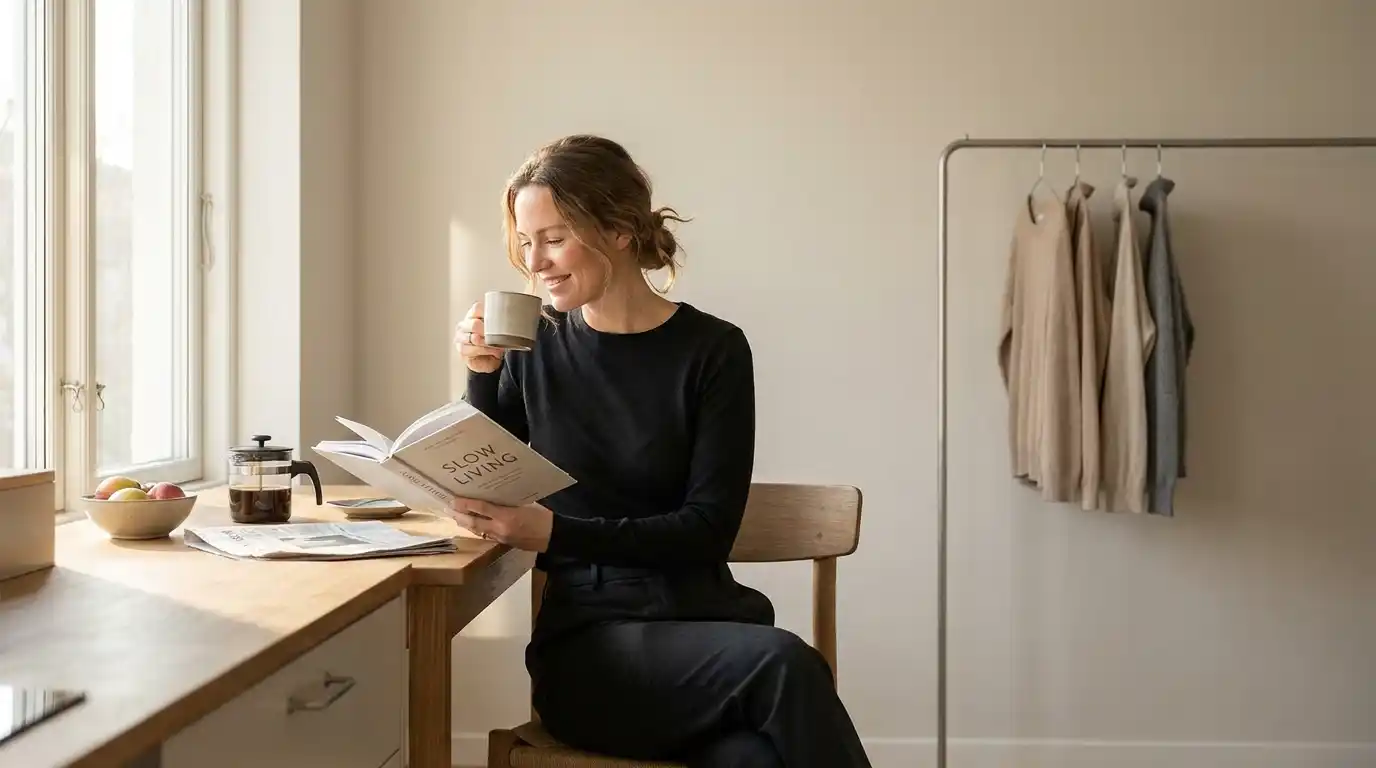
The most common reason women give for adopting a uniform is simple: they’re tired of making decisions that don’t matter. Every day is full of small choices, and each one takes a bit of attention.
Psychologists have long studied a pattern called choice overload, which shows that having too many options often makes people feel more stressed, less satisfied, and slower to decide, not freer.
A closet full of possibilities can turn into a daily puzzle before breakfast. A woman who wears a uniform has noticed this in her own life.
She’d rather save her focus for work, family, creative projects, or the decisions that actually shape her day. Getting dressed becomes automatic, like brushing her teeth.
Quick Tip
Not ready for a full uniform? Start with a weekday uniform only. Keep your work outfits on autopilot and enjoy getting creative on weekends.
2. She Knows Who She Is
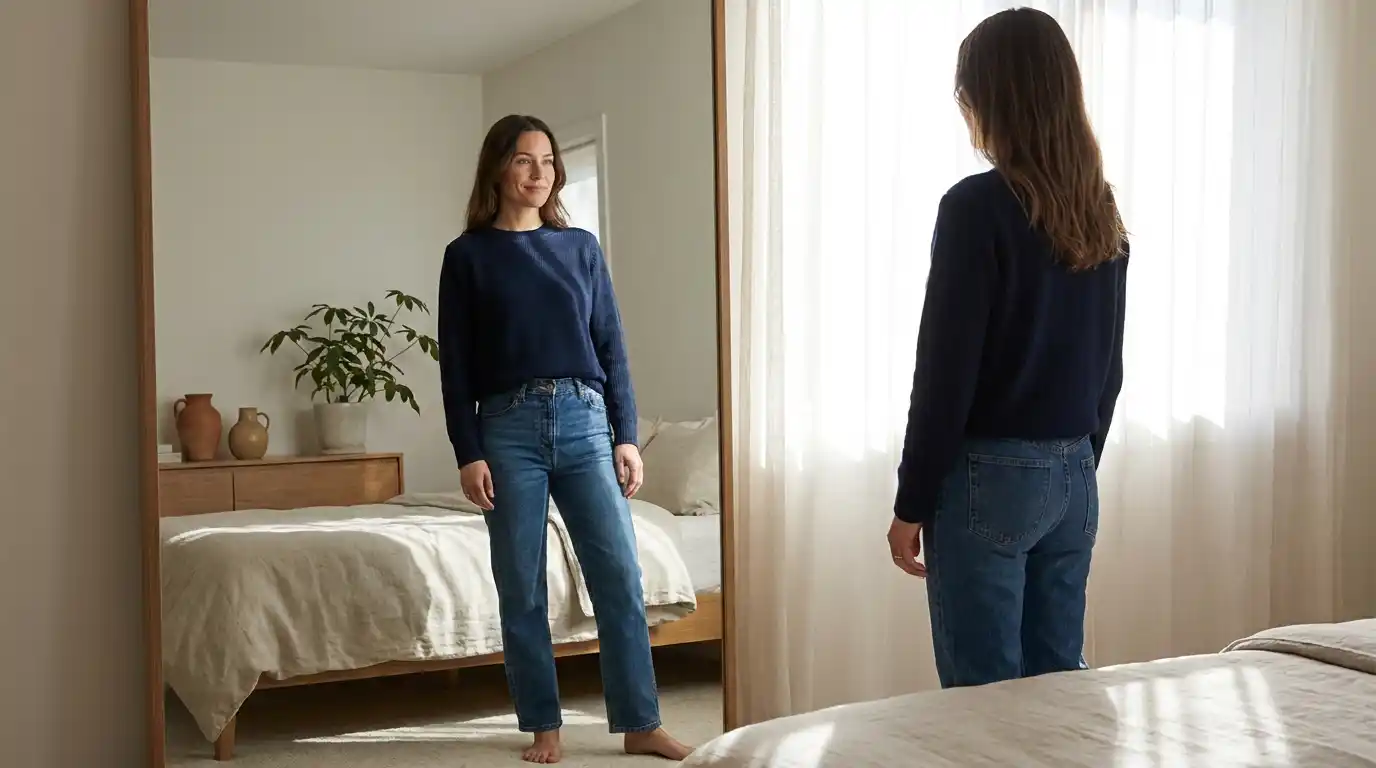
You can’t settle on a uniform without answering some honest questions first. What do I feel good in? What suits my body, my lifestyle, and my climate? What do I actually reach for, and what just sits in the closet?
That process takes real self-awareness. Research on identity suggests that people with a clear, stable sense of self tend to feel more confident and less anxious.
A uniform is often the outward sign of that inner clarity. She isn’t trying on different versions of herself every morning because she already knows which version she likes.
3. She Cares More About Purpose Than Approval

Wearing the same thing daily means accepting that some people will notice, and a few might comment. Women who do it anyway usually care more about their own reasons than about outside opinions.
This connects to a trait psychologists describe as low sensitivity to social comparison. Constantly measuring yourself against others is strongly tied to lower mood and self-esteem.
By stepping away from the pressure to show something new every day, she’s quietly opting out of a competition she never agreed to join.
Interestingly, most people barely register what others wear. Studies on a bias called the spotlight effect show that we badly overestimate how much others notice our appearance. Uniform-wearers seem to have figured this out.
Did You Know?
People consistently overestimate how much others notice their appearance. In reality, most people are far too focused on themselves to remember what you wore yesterday.
4. She Is Organized and Plans Ahead
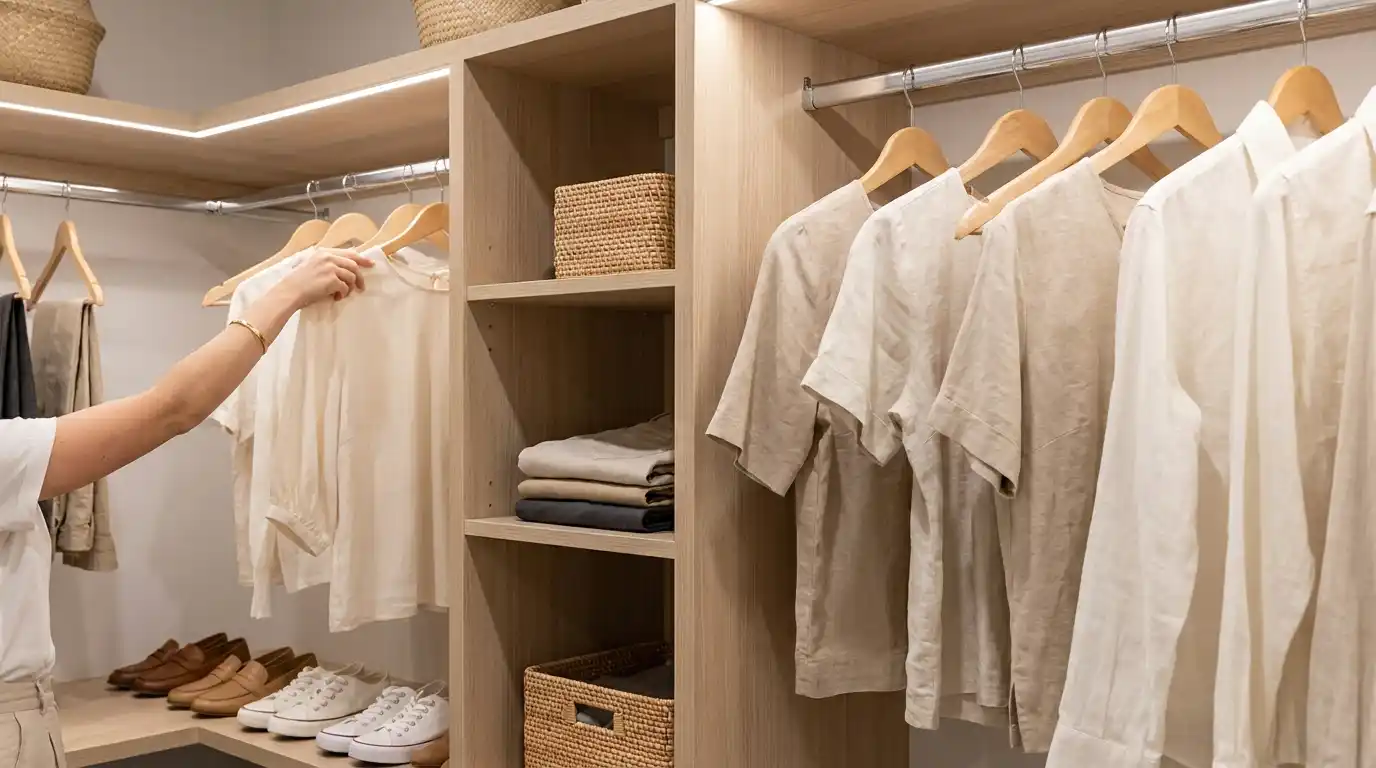
A uniform is a system, and people drawn to systems often score high in conscientiousness, a personality trait linked to being organized, dependable, and goal-focused.
Conscientiousness is one of the most consistent predictors of success at work and even of long-term health.
These women tend to like routines that run smoothly. They know when laundry needs doing, they replace worn items before they fall apart, and they rarely scramble in the morning. The uniform isn’t the cause of that orderliness so much as one expression of it.
5. She Shops With Intention
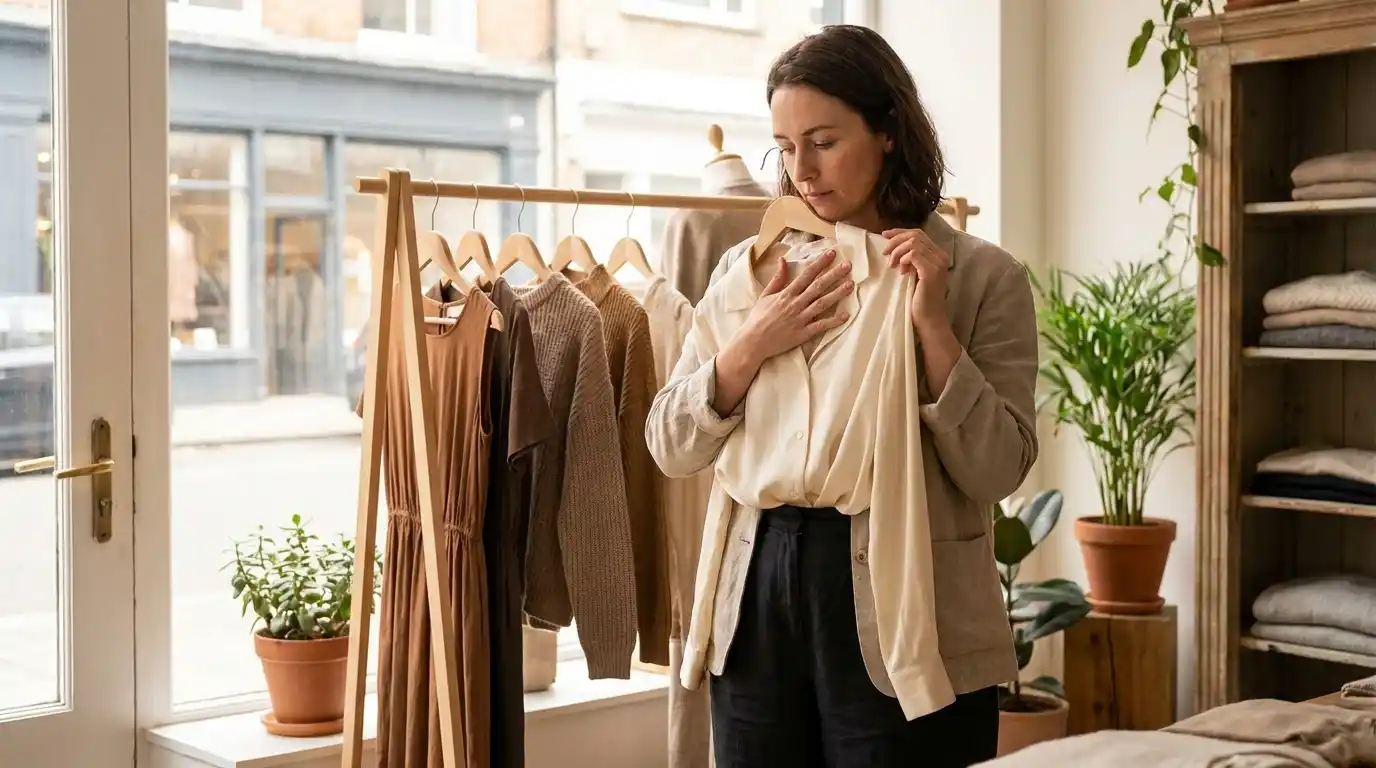
Women with a set uniform usually buy less and buy better. Instead of chasing trends, they replace what they already know works, often choosing higher-quality pieces that last longer.
Research on materialism consistently finds that placing a high value on possessions and status tends to go along with lower well-being, while people who focus on experiences, relationships, and personal growth report more satisfaction.
A uniform naturally pushes you toward that second group. There’s also a practical upside: fewer impulse purchases, less clutter, and a smaller environmental footprint.
6. She Uses Clothing to Shape Her Mindset

Psychologists have found that what we wear can influence how we think and perform, not just how others see us.
In experiments, people wearing clothing associated with focus and competence actually performed better on attention tasks. This idea is often called enclothed cognition.
Many women who wear a uniform describe their outfit as a kind of switch. Putting it on signals “it’s time to work” or “I’m ready.”
The consistency strengthens that link, the same way a familiar routine helps you fall asleep faster.
7. She Saves Her Creativity for Other Things

It’s a common myth that women who dress plainly aren’t creative. In reality, many of the most famous uniform-wearers work in design, art, and fashion.
The logic is that creative energy is better spent where it counts. A painter might wear the same paint-stained overalls daily so all her creative thinking goes onto the canvas. A uniform clears the runway rather than dimming the spark.
8. She Values Calm and Comfort

Finally, women who wear a uniform tend to prioritize feeling at ease. They’ve usually removed anything that pinches, itches, or needs constant adjusting.
Physical comfort frees up attention, and predictable routines are known to lower everyday stress, especially during busy or uncertain periods of life.
For women dealing with anxiety, sensory sensitivities, or demanding schedules, a uniform can be a genuine act of self-care rather than a style statement.
How to Build Your Own Everyday Uniform
Build Your Uniform in 6 Simple Steps
Track your favorites
Note what you actually wear for two weeks.
Choose a formula
Pick a repeatable combination instead of one fixed outfit.
Limit your colors
Two or three neutrals plus one accent shade.
Buy duplicates
Get two or three of any piece that fits perfectly.
Personalize with details
Use jewelry, scarves, bags, or lipstick to add personality.
Test it for 30 days
Give it a full month before deciding if it works for you.
If your mornings feel rushed and your closet feels overwhelming, you don’t need to go to extremes. Here’s a simple way to try it.
Study what you already wear. For two weeks, note which pieces you reach for most. Your favorites are the starting point for your uniform, because they already fit your real life.
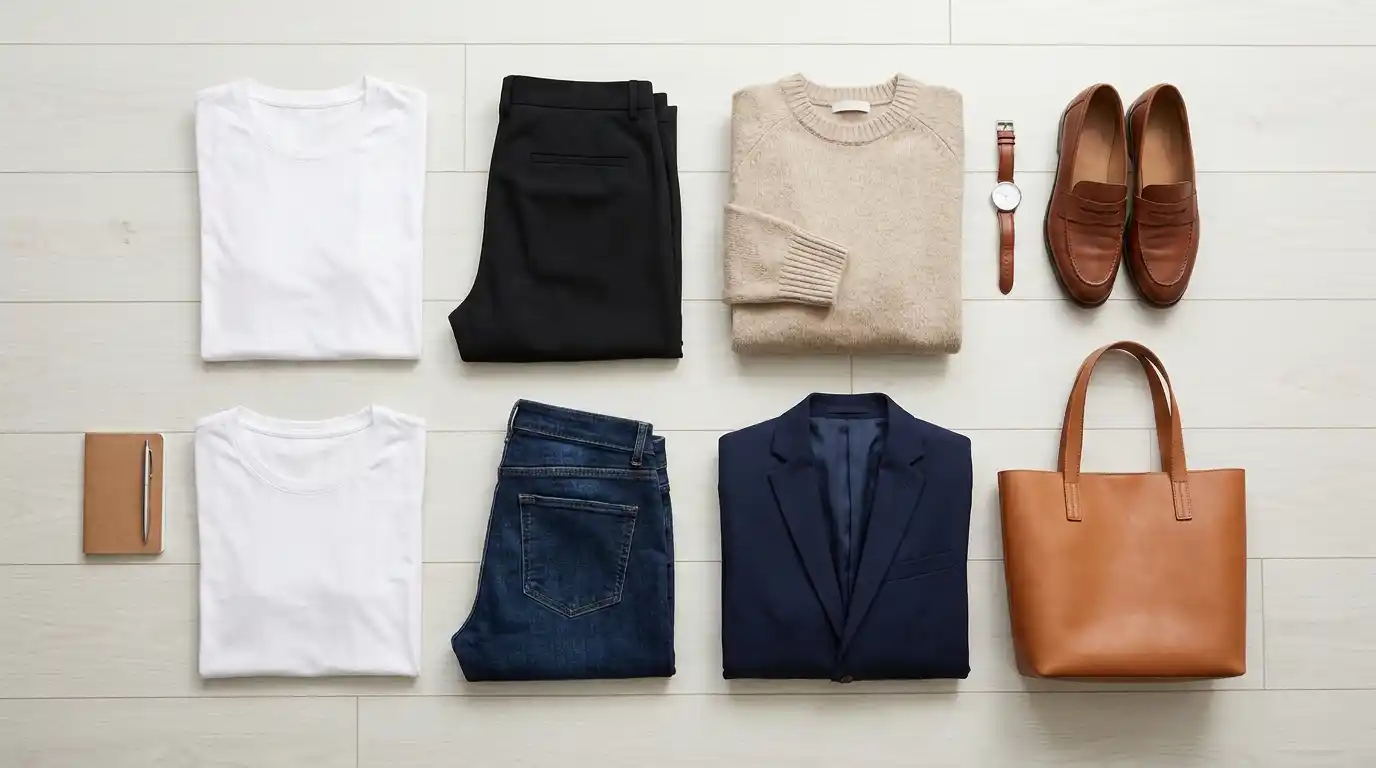
Pick a formula, not a single outfit. A formula is easier to live with. Examples include “straight trousers plus a knit top plus loafers,” “a wrap dress plus a cardigan,” or “dark jeans plus a crisp shirt.” You can keep the shape the same while changing colors or textures.
Uniform Formulas to Try
💼
The Classic Professional
White shirt + black tailored trousers + loafers + simple watch
👖
The Smart Casual
Dark jeans + plain tee + blazer + white sneakers
☕
The Comfort First
Soft knit sweater + wide-leg trousers + comfortable slip-ons
Choose a small color palette. Two or three neutrals plus one accent color makes everything mix together without thought.
Buy duplicates of what works. When you find the perfect pair of trousers or a shirt that fits beautifully, get two or three. That’s the real secret behind most uniforms.
Add personality through small details. Jewelry, a watch, a scarf, a lipstick color, or a bag can keep your look feeling like you while the base stays constant.
Plan for the seasons and special occasions. Build a warm-weather and cold-weather version of your formula, and keep a few pieces aside for events. A uniform is a default, not a rule you can never break.
Try it for thirty days. Give yourself a month before judging. Most people find the adjustment takes about a week, after which the time and mental space saved become obvious.
Printable Checklist
Your Starter Uniform Capsule
☐ 3 to 4 tops in your core colors
☐ 2 to 3 pairs of bottoms
☐ 1 to 2 dresses (optional)
☐ 1 blazer or structured jacket
☐ 1 cozy knit or cardigan
☐ 2 pairs of versatile shoes
☐ 1 everyday bag
☐ 2 to 3 signature accessories
FAQs
Is wearing the same outfit every day unprofessional?
Not when the clothes are clean, well-fitting, and suited to your workplace. Most colleagues won’t even notice, and many will simply see you as polished and consistent.
Won’t I get bored wearing the same thing?
Some people do, which is why a formula with small variations works better than one exact outfit. Changing colors, fabrics, or accessories keeps it fresh without bringing back the daily decision-making.
Does a uniform actually save money?
Usually, yes. You buy fewer items, avoid impulse purchases, and rarely end up with clothes you never wear. Spending a bit more on quality basics often costs less over time.
How many pieces do I need to start?
Many women begin with around 10 to 15 core items for a season, including tops, bottoms, a layer, and shoes. Start small and add only what fills a real gap.
Can a uniform work if I love fashion?
Absolutely. Many fashion lovers keep a uniform for workdays and save experimenting for weekends or special occasions. It’s a tool to make life easier, not a limit on self-expression.