
Why Nothing Looks Good on Me Anymore (Over 40 Guide)


You have a closet full of clothes and you’ve changed outfits three times, and every single one is wrong in a way you can’t name.
The first thing went back on the hanger. The second lasted four minutes. Now you’re late, standing in your bra, doing math about which outfit is the least bad. If you’ve caught yourself thinking nothing looks good on me anymore, you’re describing something real.
Most women decide the thing that changed is them. The scale backs that up in the cruelest way. It has barely moved. Same number, give or take, as five years ago. So the shape change feels made up.
It isn’t. The scale just can’t see what changed.
Here’s what actually happened, why sizing makes it worse, and a 90 minute reset you can do this weekend without spending a cent.
Over 40 Style
Why Nothing Looks Good on Me Anymore
Four reasons it isn’t you, and what to do about each one.
The Scale Can’t See What Changed
You gain a little fat and lose a little muscle, and the two cancel out on the scale. Underneath, fat shifts to your middle. Your waist moves. The number doesn’t.
Measure Again Tonight
You’re shopping from a number you memorised in your thirties. Take eight measurements, including ribcage and torso length, and keep them in your phone.
Your Size Is a Fact About the Brand
No two labels agree on a size 12, and standard sizing just scales up young proportions. Buy the number, not the letter.
A Tailor Beats a New Wardrobe
Buy for your largest measurement and have the rest taken in. Fabric can be removed. It can’t be added.
Then give yourself ninety minutes.Three piles, not two: fits now, doesn’t fit now, uncertain. The third pile is where the process usually stalls, so give it its own space.
Your Body Changed Shape, Even Though the Scale Didn’t

Body shape changes after 40 happen quietly, and they happen in a way the bathroom scale is bad at reporting.
During perimenopause and after, two things move in opposite directions. You gain a little fat and you lose a little muscle. On the scale, those two roughly cancel each other out.
Under your clothes, they don’t. Fat shifts away from hips and thighs and settles around the middle. Your waist can grow an inch or two while your weight sits still.
The waistband was telling you the truth. The scale was leaving things out.
Height matters too. After 40, most people lose around half an inch every decade. That sounds like nothing. It changes where a hem lands, where a waistband sits, and where a jacket buttons.
It’s a big part of why don’t my clothes fit anymore after 40 even when the label says the same size it always did.
Your feet change as well. The arch flattens a little over time, so the foot spreads and gets longer. Half a size to a full size over an adult lifetime is normal.
Those boots you used to wear all day aren’t broken in wrong. They’re a different problem now.
Skin gets thinner and less springy, which means it shows seams, waistbands and clingy fabric more than it used to.
So the body changed. That’s half of it. The other half is that the clothes were never measured for this body in the first place.
Take Your Measurements Again. Tonight.
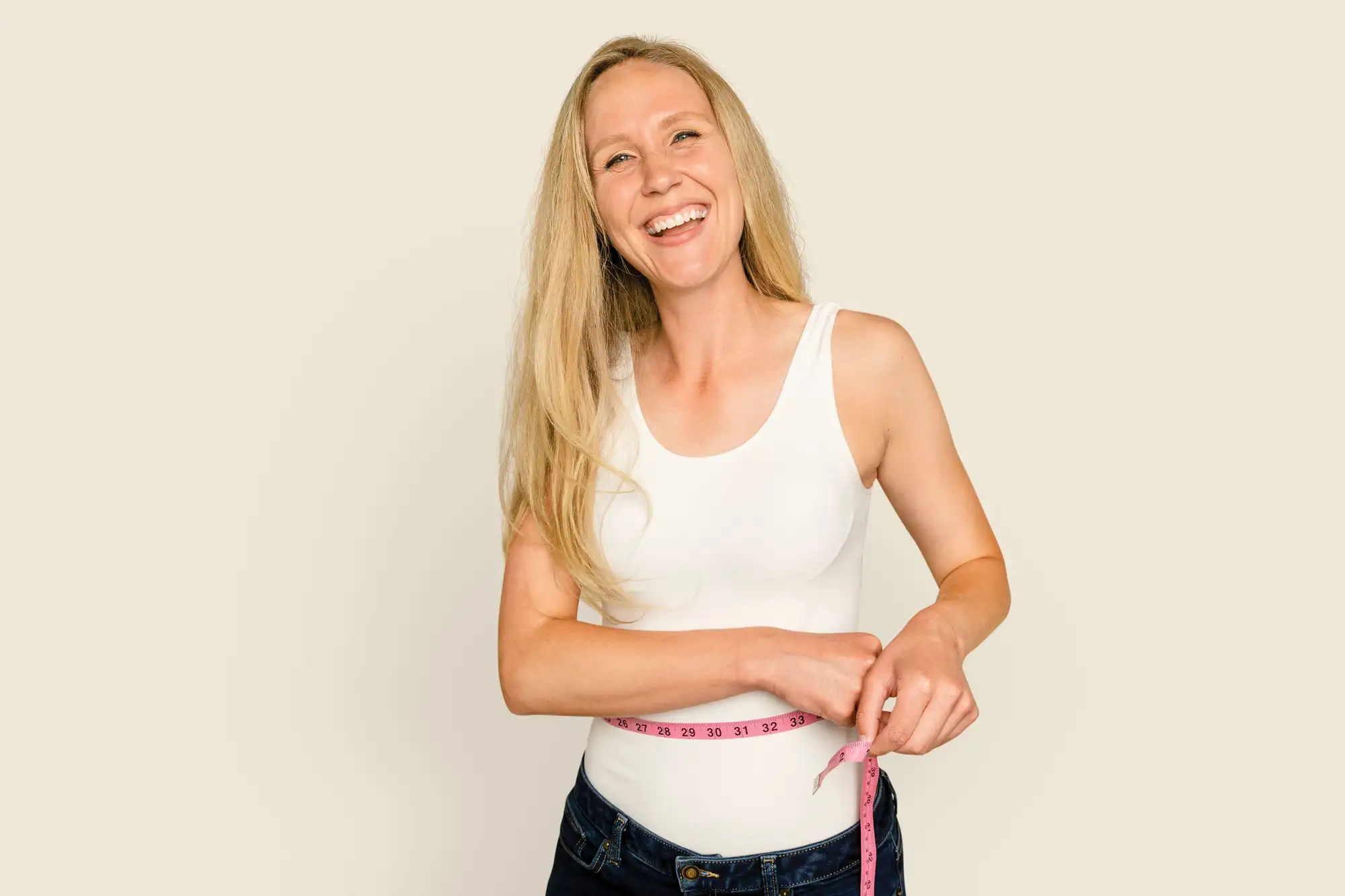
Get a tape measure. Right now, if you have one.
Most women over 40 shop from a number they memorised in their thirties. That’s a memory, not a measurement. The full list takes six minutes:
Your six minute measurement checklist
Tick each one as you go. Then type them into your phone.
Both feet too. Standing up, end of the day, when they are at their largest.
The two in bold are the ones nobody takes. Ribcage drives your whole bra size. Torso length explains why dresses that used to sit right now hit you in a strange place.
Type them into your phone. Not a scrap of paper you’ll lose by Thursday.
Measure both feet standing up at the end of the day, when they’re at their largest. Buy for the bigger one.
Your Size Is a Fact About the Brand, Not About You
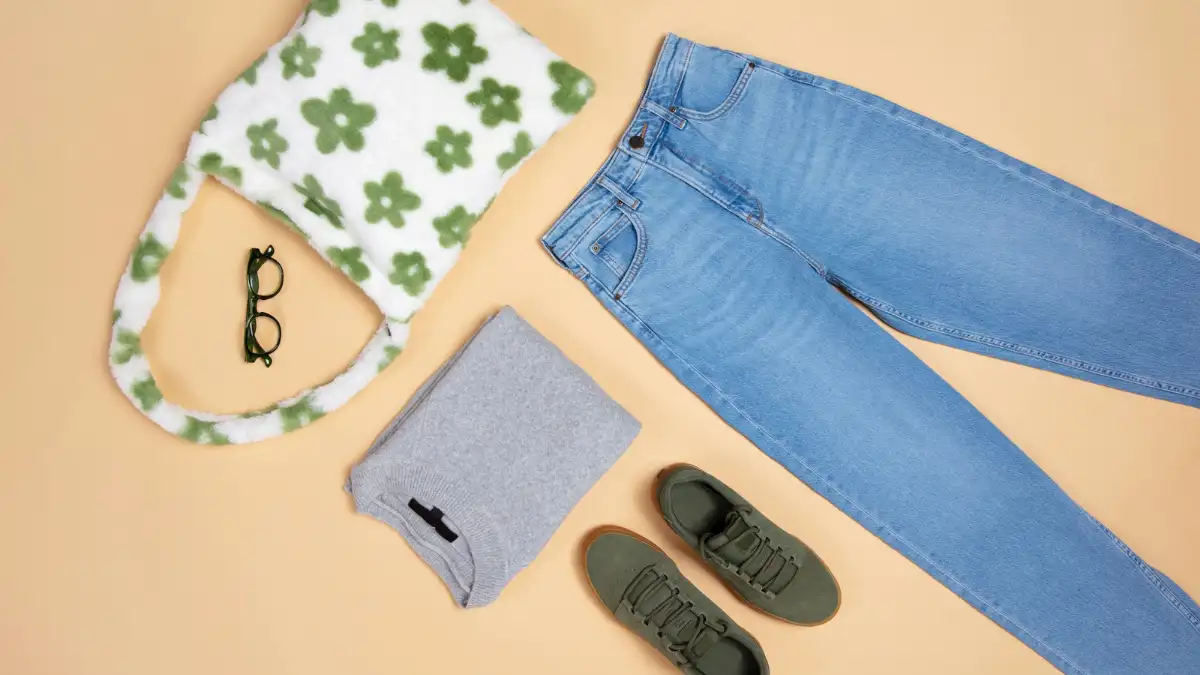
Pull three pairs of jeans out of your closet, all the same size, and lay the waistbands flat against a tape measure. They will not match.
No rule forces brands to agree on what a size 12 means. Each one fits its clothes to its own model, picks its own proportions, and prints its own chart. It gets less reliable at larger sizes, not more.
There’s a deeper problem underneath. Standard sizing scales up young proportions. It makes the same shape bigger.
It doesn’t account for a body where the waist has thickened, the bust has changed and the torso has shortened. A size 14 is often a size 8 photocopied at 140%.
Two ways to read the same fitting room
“I’ve gone up a size again.”
- The label is the verdict
- Three brands, three sizes, so the problem is me
- Nothing in the fitting room fits, so nothing will
The chart moved, not you.
- Every brand fits to its own house model
- Accuracy drops as sizes go up, not down
- Sizing scales up young proportions instead of changing shape
Measure a garment you already own that fits, then match those numbers to the product page. Buy the number, not the letter.
So when you think nothing looks good on me anymore in a fitting room, you’re partly reacting to a garment built from a template that never included you.
The fix is boring and it works. Stop shopping by label. Take one garment you own that fits well, measure it flat (waist, hip, length, shoulder), and compare those numbers to the product page.
Most brands publish garment measurements somewhere, usually under a tab. Buy the number, not the letter.
Why This Hurts More Than “Just Clothes”
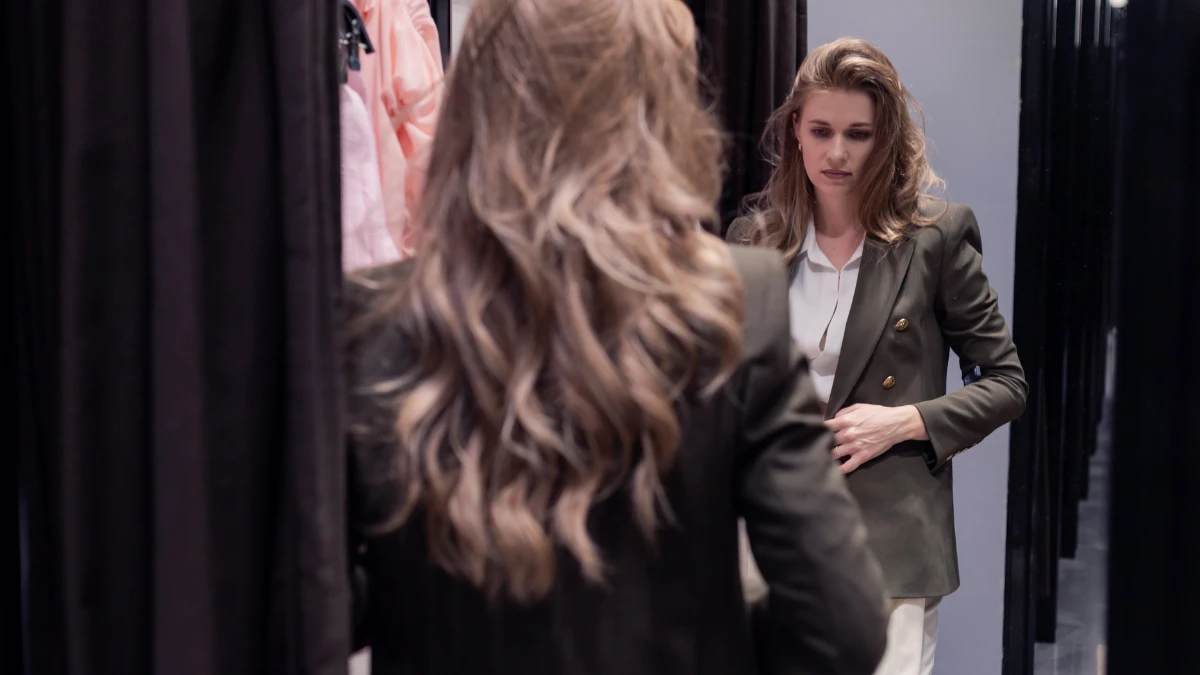
If you’ve felt ridiculous for how much this bothers you, stop.
Clothes are how you decide whether to leave the house. When nothing works, you cancel things.
You skip the reunion, you send someone else to the meeting, you say you’re tired. That’s how a wardrobe problem turns into a smaller life.
One more thing worth knowing. Fitting room lighting and cramped changing rooms make almost everyone look worse.
That mirror at the department store is not a fair witness. Take a photo in daylight and decide later.
This isn’t vanity. It’s being able to walk out the door feeling like yourself.
The 90 Minute Closet Reset
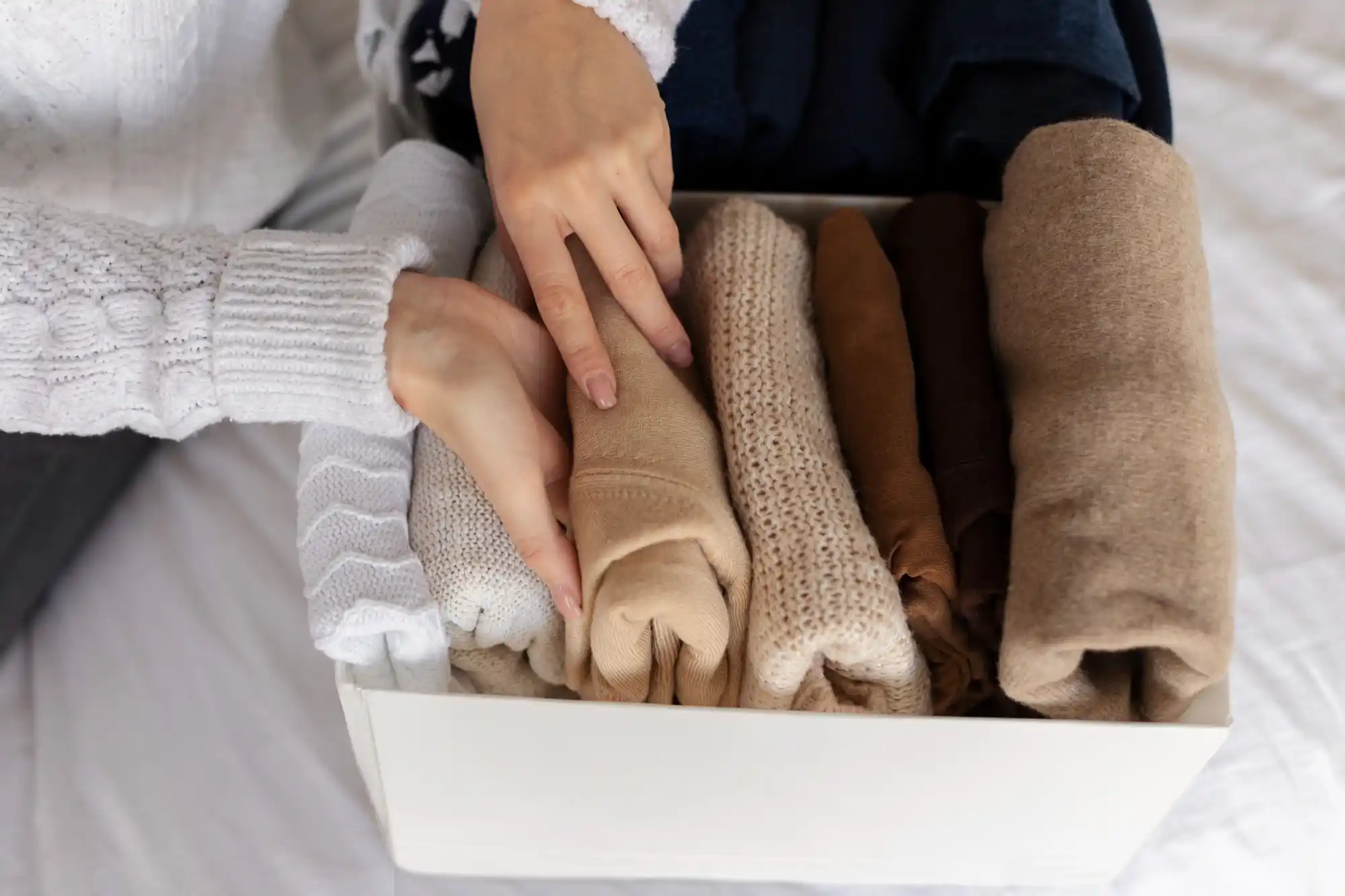
Ninety minutes. No shopping.
- Three piles, not two. Fits now. Doesn’t fit now. Uncertain. Almost everyone tries this with two piles and stalls, because the third pile is where the shame lives. Give it its own space and the process keeps moving.
- Move the “doesn’t fit” pile out of your daily closet. Out of sight, not necessarily out of the house. Put it on a high shelf or in a spare room. Here’s why it matters. Every morning you open a closet full of clothes that don’t fit, you run a small ritual of criticizing yourself before 8am. Stop running it.
- Audit for your life, not just your size. Count how many pieces suit the week you actually have now. If you left an office in 2020, or your kids moved out, a lot of your closet is dressed for a life that ended. That feels identical to a fit problem from the inside, but it’s a different problem.
- Find your three “almost” pieces. The ones that would work with exactly one change: a hem, a waist, a sleeve. Set them aside.
- Photograph what’s left and build five outfits. Shoes included, on your phone. Do this before you buy anything.
You now know your gaps. That’s the only shopping list worth having.
Fix the Fit Instead of Fighting It
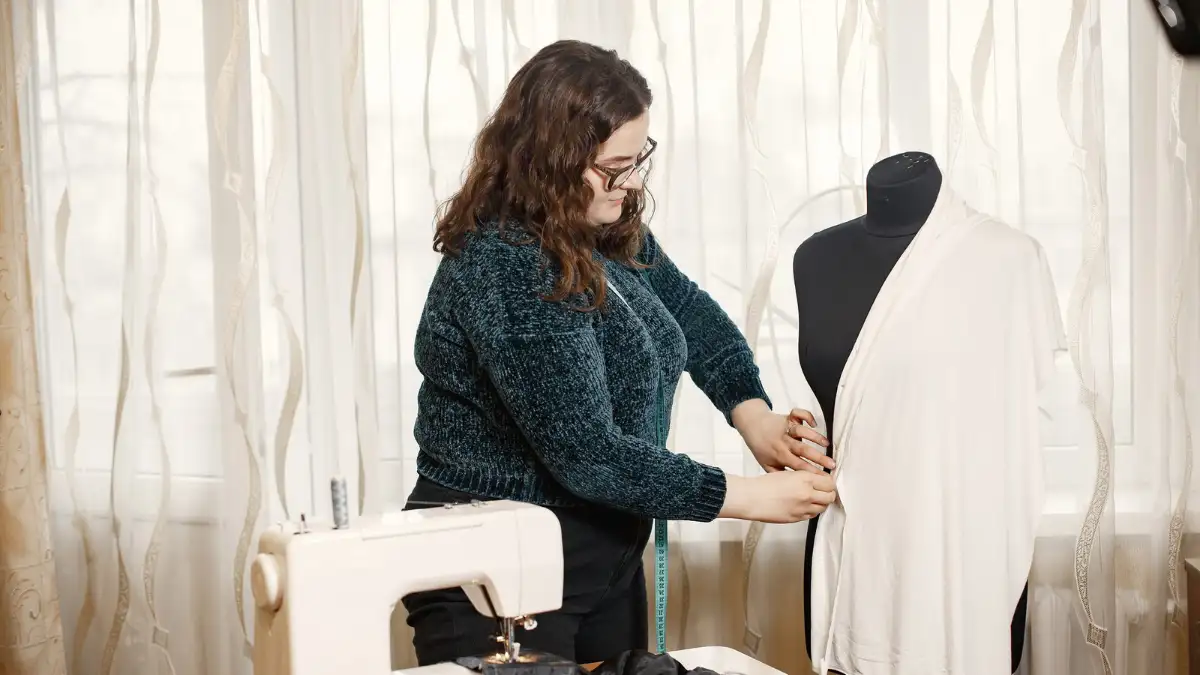
The cheapest thing you can do is also the most effective, and almost nobody does it.
Take those three “almost” pieces to a tailor. Most common alterations cost less than one bad impulse buy.
The alterations rule
Spend up to a third. Then stop.
If the alteration costs more than about a third of what the piece is worth to you, put it down and buy something else instead.
And when you are buying new: size for your largest measurement, then have the rest taken in. Fabric can be removed. It cannot be added.
The rule that keeps it sensible: if the alteration costs more than about a third of what the piece is worth to you, replace it instead.
The changes that buy you the most:
| Alteration | Why it matters after 40 |
|---|---|
| Hem, trousers and skirts | Biggest visual payoff, and more important as you lose height |
| Sleeve length | Fixes most blazers instantly |
| Waist taken in | Solves the waistband that fits your hip but gapes at the back |
| Tapering | Cleans up the line through leg or body |
Then the buying tactic that solves half of this on its own. Buy for your largest measurement and have it taken in. If your hips need a 16 and your waist swims in it, buy the 16. Fabric can be removed. It can’t be added.
On shapes, a few things reliably work with a changed middle instead of against it:
Fabric does more work than cut. Something with weight and drape hangs away from the body. Thin stretchy jersey reports on everything underneath. If a piece feels wrong and you can’t say why, it’s usually the fabric.
What to Do Next Week, and What to Ignore

Do this:
Ignore this:
The Short Version
Three things changed, and none of them was your worth. Your measurements changed and the scale hid it.
The sizing system was never built to your proportions. Your life changed and your closet is still dressed for the old one.
Take the eight measurements tonight. Everything else gets easier once you’re working from real numbers instead of remembered ones.
The next time you think nothing looks good on me anymore, you’ll know which of the three problems you’re actually looking at.