
How to Update Your Style After 40 With Pieces You’ll Actually Wear

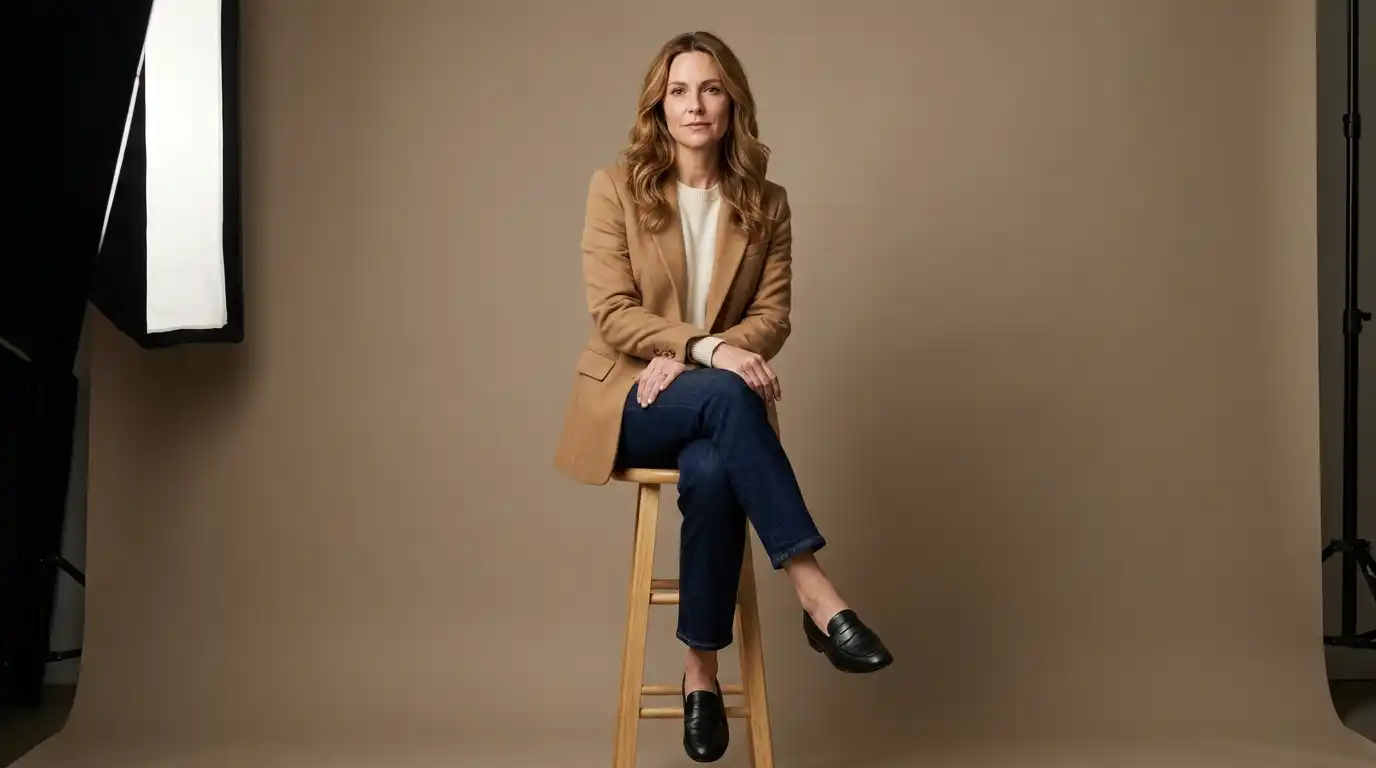
Learning how to update your style after 40 comes down to changing the fit, fabric, and finish of what you wear most. It doesn’t mean replacing your whole closet. A straight-leg jean, a heavier knit, and a better pair of everyday shoes will do more than a cart full of new pieces.
Maybe your favorite jeans feel a little off lately. Maybe every outfit looks fine but flat. That usually isn’t about your age. Bodies shift and fits change, and the pieces that worked five years ago drift out of step with both.
This guide walks you through nine steps in the order a stylist would do them: edit what you own, pick a direction, fix your fit, then shop with a plan. By the end, you’ll know what to keep, what to tailor, and what to buy next. You’ll also have outfit formulas for work, weekends, and dinner out.
Edit your closet before you buy a single new piece
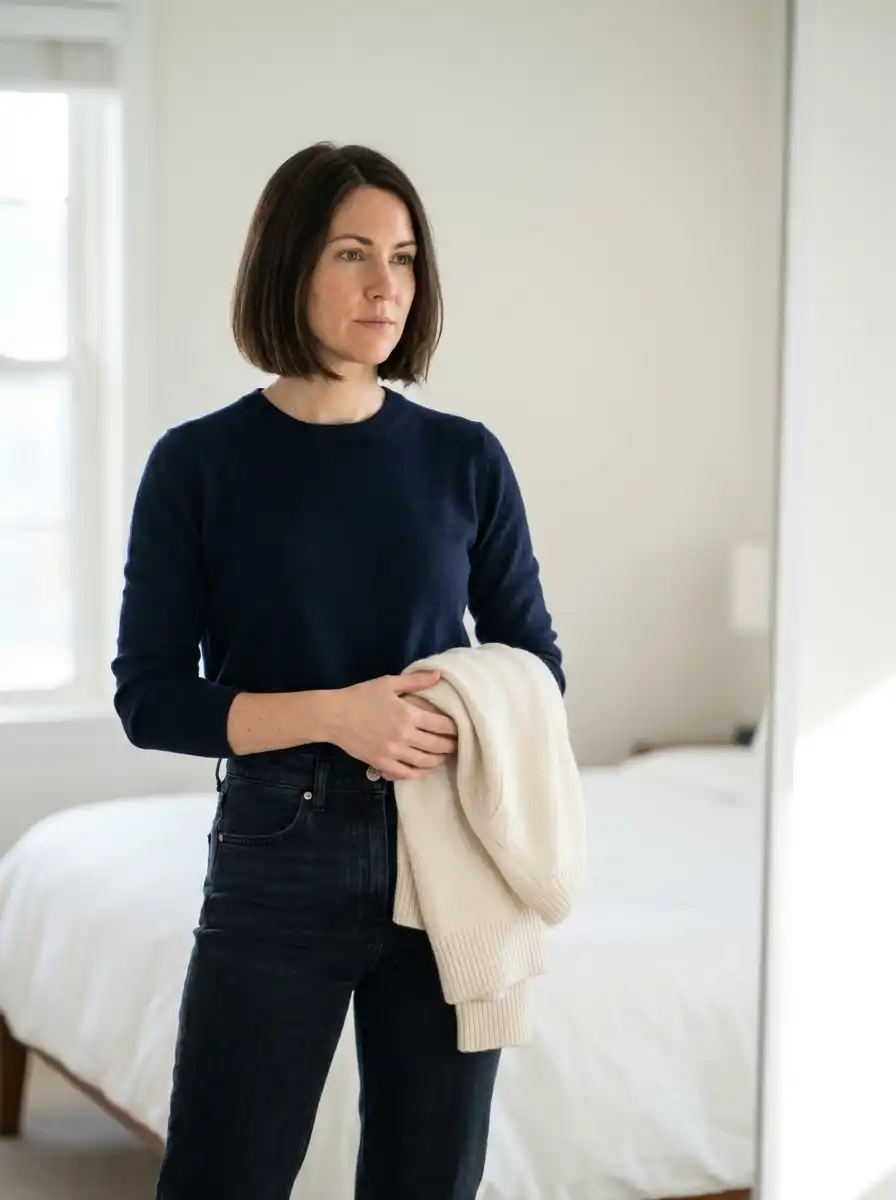
This step needs a cleared bed, a full-length mirror, and one free Saturday morning. Try on anything you haven’t worn in the past year. The hanger can hide a bad fit, but the mirror won’t.
Keep what fits and gets worn
Your most-worn pieces tell you more about your style than any mood board. If you grab the same navy crewneck and dark jeans every week, that’s your starting point. Keep anything that fits your shoulders and waist today, not someday.
Tailor what’s almost right
A good tailor can save pieces that are close but not quite there.
- Hems: Shorten trousers that pool on top of your shoes.
- Sleeves: Blazer sleeves should end right at the wrist bone.
- Waist gaps: Jeans that fit your hips but gap at the back can be taken in.
Skip anything tight across the shoulders or bust. Those seams rarely have enough fabric to let out.
Let go of what you keep skipping
If you’ve put something on and taken it off three times, it won’t make it back into rotation. Pilled sweaters, stretched-out tees, and jeans with a baggy, faded seat make a whole outfit look tired. Donate or sell them so your closet only shows you real options.
Choose three style words and a five-color palette
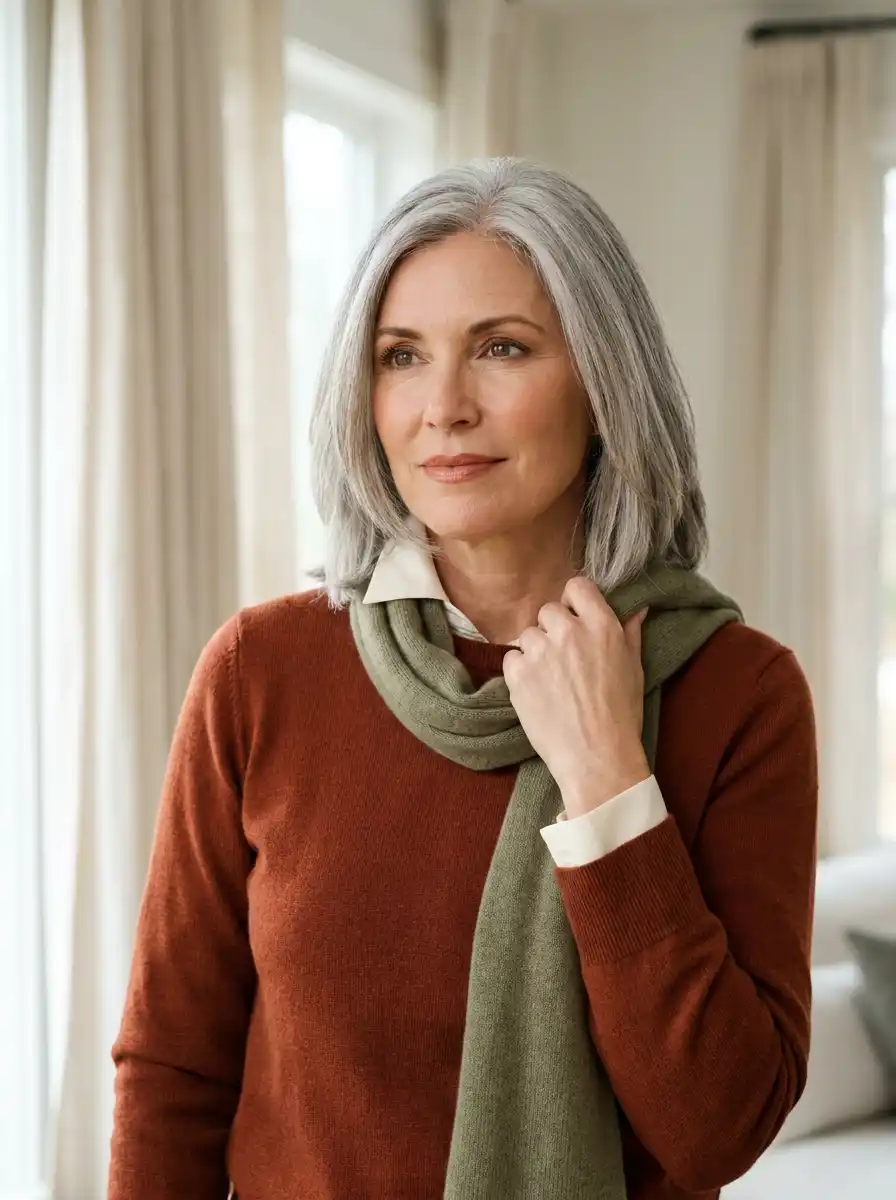
If you’ve ever loved something in the fitting room and never worn it, you were shopping without a filter. Three style words give you one. Pick words that describe how you want to look on a regular Tuesday, like “clean, relaxed, warm” or “sharp, simple, modern.”
Hold every new piece up against those words before you buy it. A ruffled blouse might be pretty, but it doesn’t belong in a “sharp, simple” closet.
Your colors work the same way. Five shades are enough to mix almost every top with every bottom:
- Two base neutrals: navy and charcoal, or camel and chocolate brown
- One light neutral: cream, ivory, or soft white
- Two accents: olive and rust, or cobalt and blush pink
Test accent colors in daylight by holding the fabric under your chin. If the color makes you look washed out, try a warmer or deeper version of the same shade.
Get your jeans and trousers into a current fit
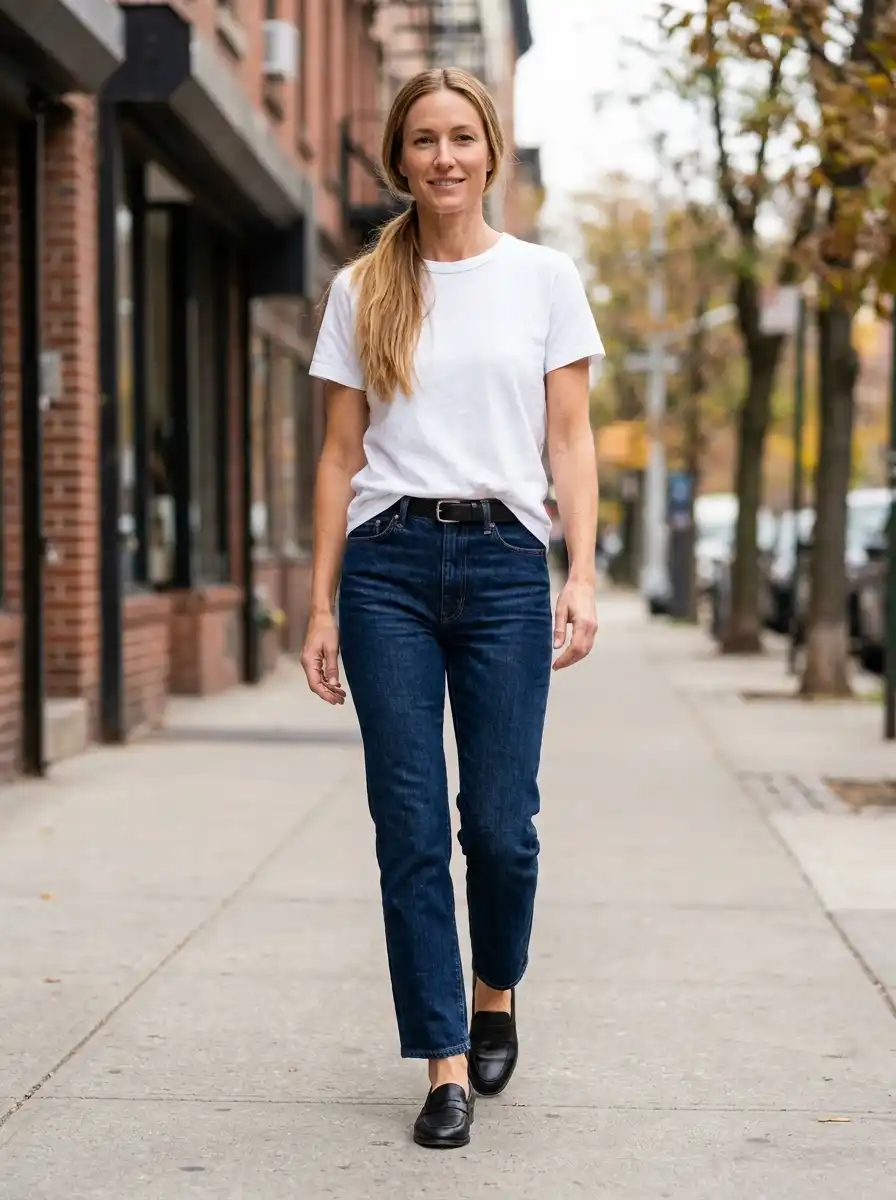
Skinny mid-rise jeans were the go-to for years, and they’re often the one piece that makes a closet feel stuck. Current outfits are built around straighter legs and higher rises. They also feel better when you sit at a desk or in the car all day.
Use this chart to find which pants in your closet need a newer version.
| Swap this | For this | Why it works |
|---|---|---|
| Skinny, mid-rise jeans | Straight-leg jeans with a 10- to 11-inch rise | Skims the leg and keeps tops tucked |
| Low-rise flares | High-rise flares | Longer leg line from waist to floor |
| Tight ankle trousers | Wide-leg trousers in a drapey crepe | Moves with you and looks polished |
| Leggings worn as pants | Ponte pull-on straight pants | Same comfort, cleaner shape |
You don’t need all four swaps at once. Start with the pair you wear most, since that change shows up in the most outfits.
Watch the hem, because that’s where new fits go wrong. Straight legs should hit at the ankle bone for flats and sneakers. Wide legs should sit about 1/2 inch above the floor in the shoes you’ll wear most.
If a straight leg feels like too big a jump, try a slim straight cut first. It fits close through the thigh like a skinny but falls straight from the knee.
Trade thin fabrics for ones with weight and structure

Two tops can have the same cut and still look completely different, and the reason is fabric weight.
Thin, clingy knits show every bra line and seam. Fabrics with some heft hang away from the body and keep their shape through a long day.
Try a quick test in the store. Hold the piece up to the light. If you can clearly see your hand through it, put it back.
This chart covers the fabrics worth looking for and what to watch for with each.
| Fabric | Best for | Watch for |
|---|---|---|
| Ponte | Pull-on pants, sheath dresses | Thin versions bag at the knee |
| Merino wool | Fine-knit sweaters, layering | Hand wash or use a wool cycle |
| Cotton poplin | Crisp button-downs | Wrinkles, so hang it right away |
| Linen | Summer shirts and wide-leg pants | Creases by noon, which is normal |
| Heavy cotton jersey | Tees that don’t cling | Can shrink in a hot dryer |
If you’re replacing knits, start with ponte and merino. They work in the most outfits.
Merino over your budget? A thick 100% cotton sweater gives you the same structure. Skip sweaters made mostly of acrylic, since they tend to pill after a few washes.
Refresh the shoes you wear most often first

Look at the floor by your front door. The pair sitting there with worn-down heels and creased toes is the one to replace first. Your everyday shoes show up in almost every outfit, so they set the tone more than anything else you own.
Three styles cover most days right now:
- Loafers: leather, with a slim sole for work or a lug sole for weekends.
- Sneakers: slim, low-profile white leather sneakers, not bulky running shoes.
- Ankle boots: a 2- to 3-inch block heel you can walk in all day.
Bulky gym sneakers are the most common miss here. Paired with jeans or a dress, they make the outfit look like a trip to the gym. Keep those for actual workouts.
Update your bag and jewelry so outfits look finished
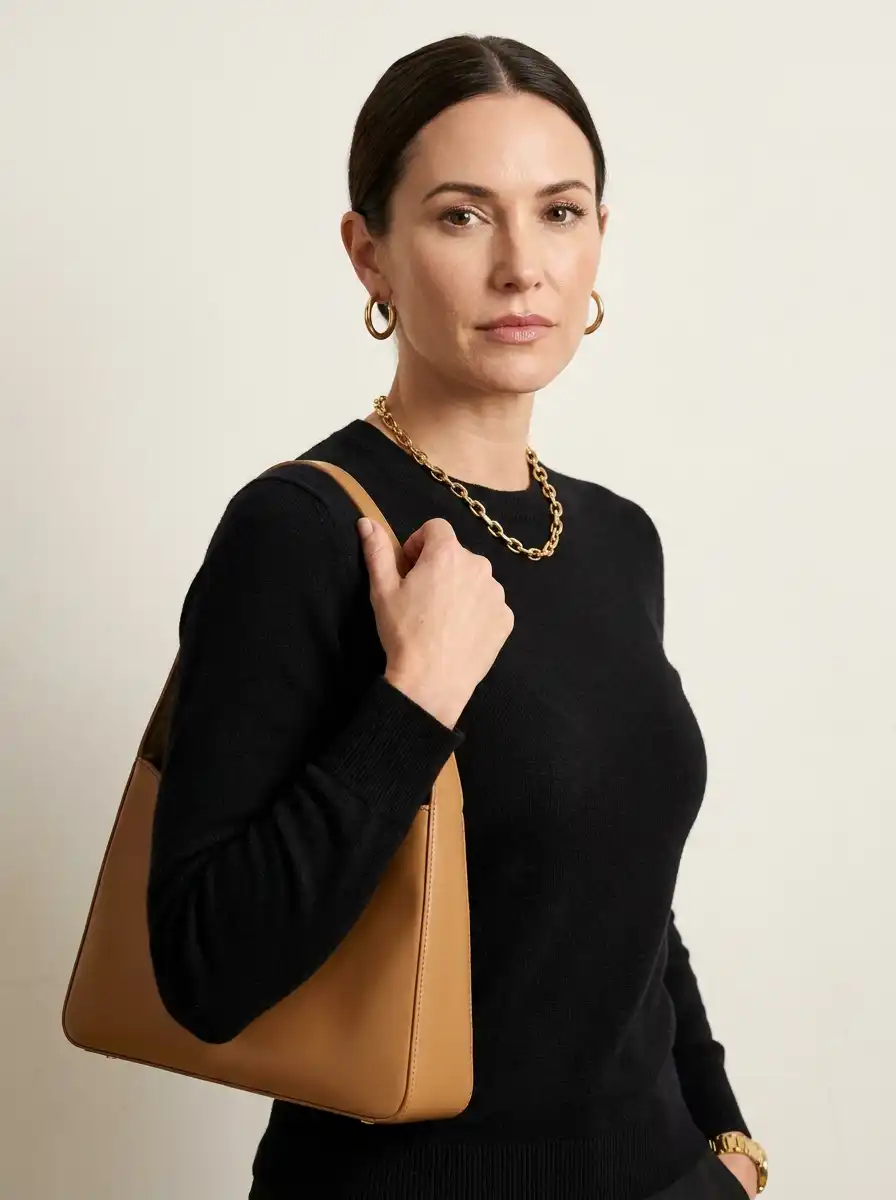
Nobody notices a bag until the corners are rubbed pale and the strap is cracking. Then it’s all anyone sees. One good bag in a base color from your palette can carry you through most days.
Look for these details when you shop:
- Shape: structured and mid-size, so it holds its form when set down.
- Color: camel, black, navy, or chocolate brown.
- Strap: long enough to sit comfortably under your arm over a coat.
Soft, slouchy bags in thin faux leather tend to sag and peel within a season. If real leather isn’t in the budget, a structured canvas tote with leather trim lasts longer and looks cleaner.
Jewelry works best when you wear fewer, bolder pieces. A handful of tiny charms gets lost, while one or two larger pieces read as intentional:
- Hoops about 1 inch across, in gold or silver.
- A chunky chain necklace that sits at the collarbone.
- A watch or one wide cuff, worn every day.
Thin plated jewelry often tarnishes or turns your skin green. Look for sterling silver, gold vermeil, or stainless steel instead.
Add one trend each season instead of five

A suede jacket, a barrel-leg jean, a burgundy knit: each one can freshen a closet on its own. Buy all three in the same month, and suddenly nothing else you own goes with them. One trend per season keeps your look current without turning your closet over.
Run every trend through your three style words first. If it fits, try it in the smallest amount that still shows.
- Color trends: Test the shade in a scarf, knit, or bag before you buy a coat in it.
- New jean shapes: Buy one pair and wear it with basics you already own.
- Texture trends: Suede, leather, and bouclé look best as one piece per outfit.
Pass on any trend that needs new shoes, a new bag, and new tops to work. At that point you’re buying a new closet, not updating the one you have.
Update your style after 40 one outfit formula at a time

When you’re running late at 7 a.m., a formula beats a closet full of options. A formula is a set of three or four pieces that always work together. You change the colors, not the whole outfit.
Here are four formulas built from the pieces in this guide.
| Occasion | Formula | Swap if you don’t own it |
|---|---|---|
| Work | Wide-leg crepe trousers, merino sweater, loafers | Ponte pants for the crepe |
| Weekend | Straight-leg jeans, heavy cotton tee, white leather sneakers | A thick cotton crewneck for the tee |
| School run | Slim straight jeans, cotton sweater, ankle boots, tote | Loafers for the boots |
| Dinner out | Black ponte dress, chunky chain, block-heel boots | Dark jeans and a silky blouse |
Keep the base of each formula in your neutrals. Then add your accent color through one piece, usually the knit or the bag.
Formulas break down when the proportions fight each other. A loose sweater over wide-leg trousers can hide your shape completely. Tuck the front of the sweater, or switch to a closer-fitting knit, so your waist shows.
Save your three favorite formulas in a note on your phone. On a rushed morning, you won’t have to think.
Shop in order of impact so every piece earns its place

Order matters more than budget. A new coat won’t fix an outfit if your jeans still sag, because the coat comes off and the problem is still there.
Shop in this order, and stop for the season when the money runs out:
- The pants you wear most, in a current fit
- Everyday shoes you’ll wear four or more days a week
- Two or three knits in ponte, merino, or heavy cotton
- One structured bag in a base neutral
- One trend piece for the season
Before you pay, name three things you already own that the new piece goes with. If you can’t name three, leave it on the rack.
Resale sites and secondhand shops are worth checking for bags, wool coats, and leather boots. Well-made pieces in those categories hold up, so a used one often outlasts a new budget version.
FAQs
How do I update my style after 40 on a budget?
Start with your closet, not the store. Tailoring and rewearing what already fits costs far less than buying new. When you do shop, set a limit of one new piece a month, picked from the top of your shopping order. Spreading purchases out also lets you see how each piece works with your clothes before you buy the next one.
What should I stop wearing in my 40s?
Stop wearing anything that no longer fits your body today or has lost its shape. Age has nothing to do with it. That includes sweaters stretched out at the neck, bras that show lines under fitted tops, and shoes you can’t walk a block in. A piece earns its place by how it fits and how you feel in it.
How long does it take to update your wardrobe?
You can see a real change in one weekend, and most of the full update takes one or two seasons. The closet edit and the tailor drop-off fit into a Saturday. Buying a few pieces a month keeps costs manageable and gives you time to notice what you reach for most.
Are sneakers okay for work outfits in your 40s?
Yes, in most business casual offices, as long as they’re slim leather sneakers in clean condition. Pair them with ankle-length trousers or a midi skirt so the shoes look planned. Scuffed white sneakers look sloppy fast, so wipe them down weekly. For client meetings or formal offices, switch to loafers.