
How to Build a Wardrobe from Scratch After 40

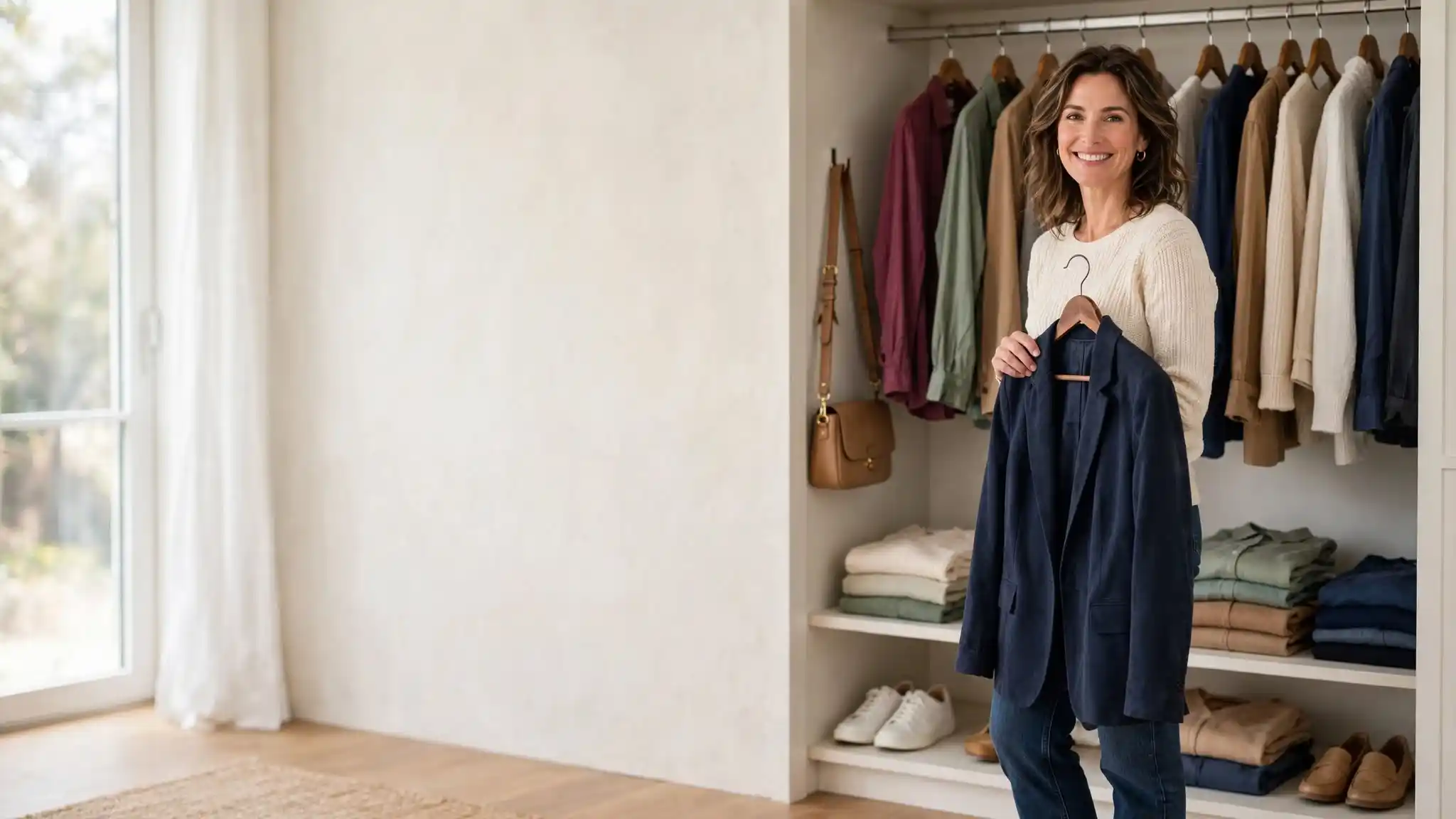
You open the closet and see it all. Work clothes from a job you left. Jeans that fit before your body changed. A dress you loved at 32 that now feels like it belongs to someone else.
The closet is full, and you still have nothing to wear. If you’re a woman past 40, this is common, and you can fix it. Learning how to build a wardrobe over 40 starts with fit and comfort, not trends.
This guide takes you from a crowded closet to five outfits you can put on without thinking. You’ll sort what you own, take real measurements, and then buy pieces in a set order. Each new item works with the ones before it, so nothing hangs there with the tags still on.
Why this order? Most of us shop first and plan later. That leads to pretty pieces that don’t go with anything else. Planning first means you buy less and wear more of it.
Here’s the honest time cost. Sorting and planning take about one weekend. Shopping, returns, and tailoring take two to four weeks. Grab a soft tape measure, a notebook, and three big bags, and let’s clear out that closet.
What You Need
- Soft tape measure (60-inch)
- Notebook and pen
- 3 large bags or boxes
- Masking tape or sticky notes for labels
- Full-length mirror
- Phone camera
- A friend for honest opinions (optional)
- 5 plain tees and knit tops
- 3 button-down shirts or blouses
- 2 pairs of dark-wash jeans
- 1 pair of tailored trousers
- 1 soft blazer or long cardigan
- 1 pair of white leather sneakers
- 1 pair of loafers or ankle boots
- 1 everyday bag
- Tailoring budget ($40–$80)
- Empty your closet and sort into three piles
- Measure bust, waist, hips, inseam, and arm length
- Plan your wardrobe around your real week
- Choose three neutrals and two accent colors
- Split your budget by category
- Buy tees and knit tops that fit your shoulders
- Add two pairs of dark jeans and one pair of trousers
- Pick button-downs that fit your bust
- Layer with one soft blazer or long cardigan
- Get two pairs of comfortable shoes and a bag
- Take key pieces to a tailor
- Build five outfits and photograph each one
Empty Your Closet and Sort Everything Into Three Piles
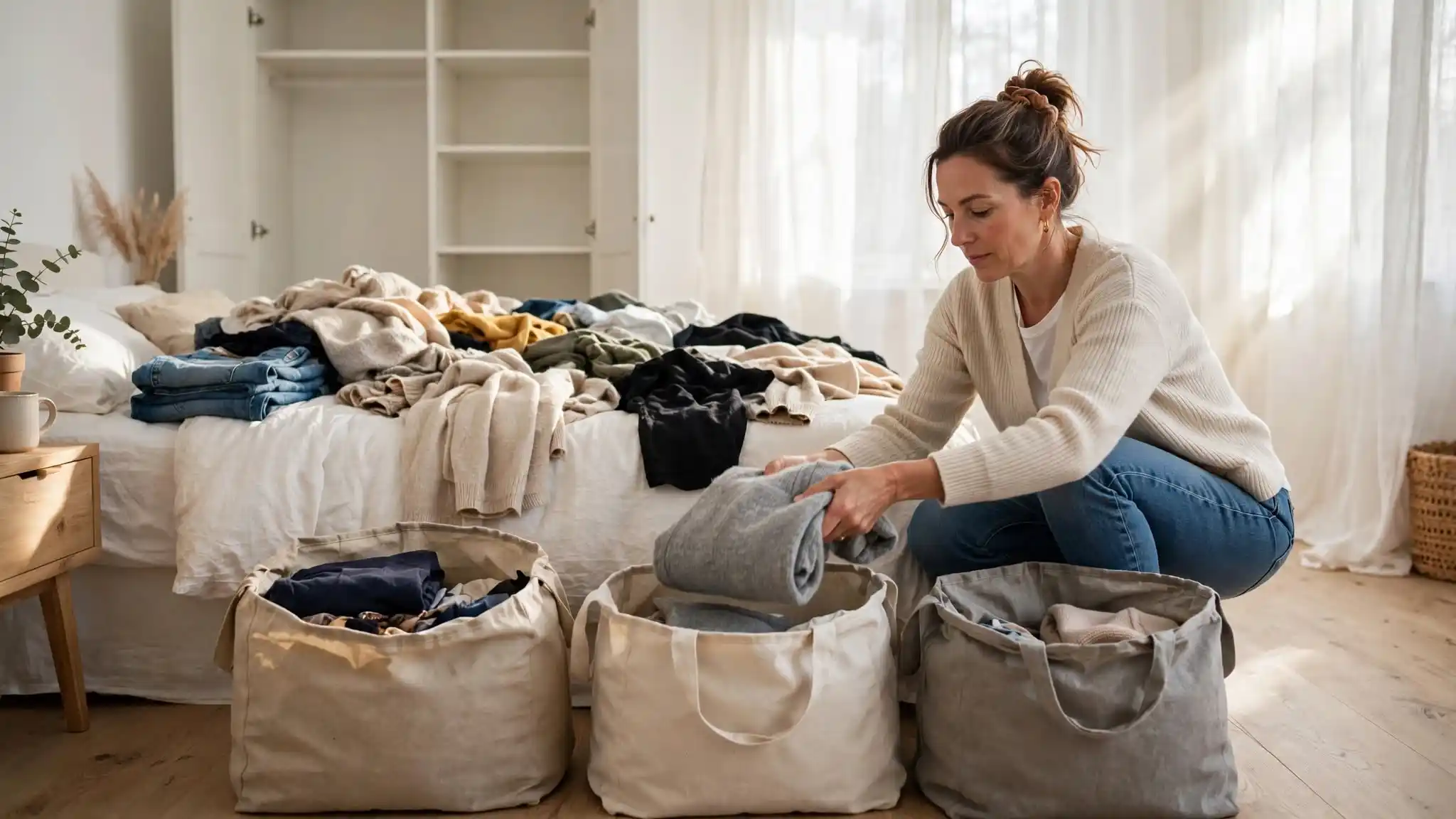
Every piece comes out, including the dresses in the guest room and the sweaters in the bin under the bed.
Clothes look different in your hands than on a hanger. Set out three bags and label them with tape: Keep, Tailor, and Donate.
Keep is for anything that fits right now and that you wore in the last 12 months. Tailor is for pieces that fit your shoulders and hips but run long or loose.
Everything else goes in Donate. Give each item 30 seconds of thought, no more. Don’t have bags? Use three spots on your bed.
Measure Your Bust, Waist, Hips, Inseam, and Arm Length
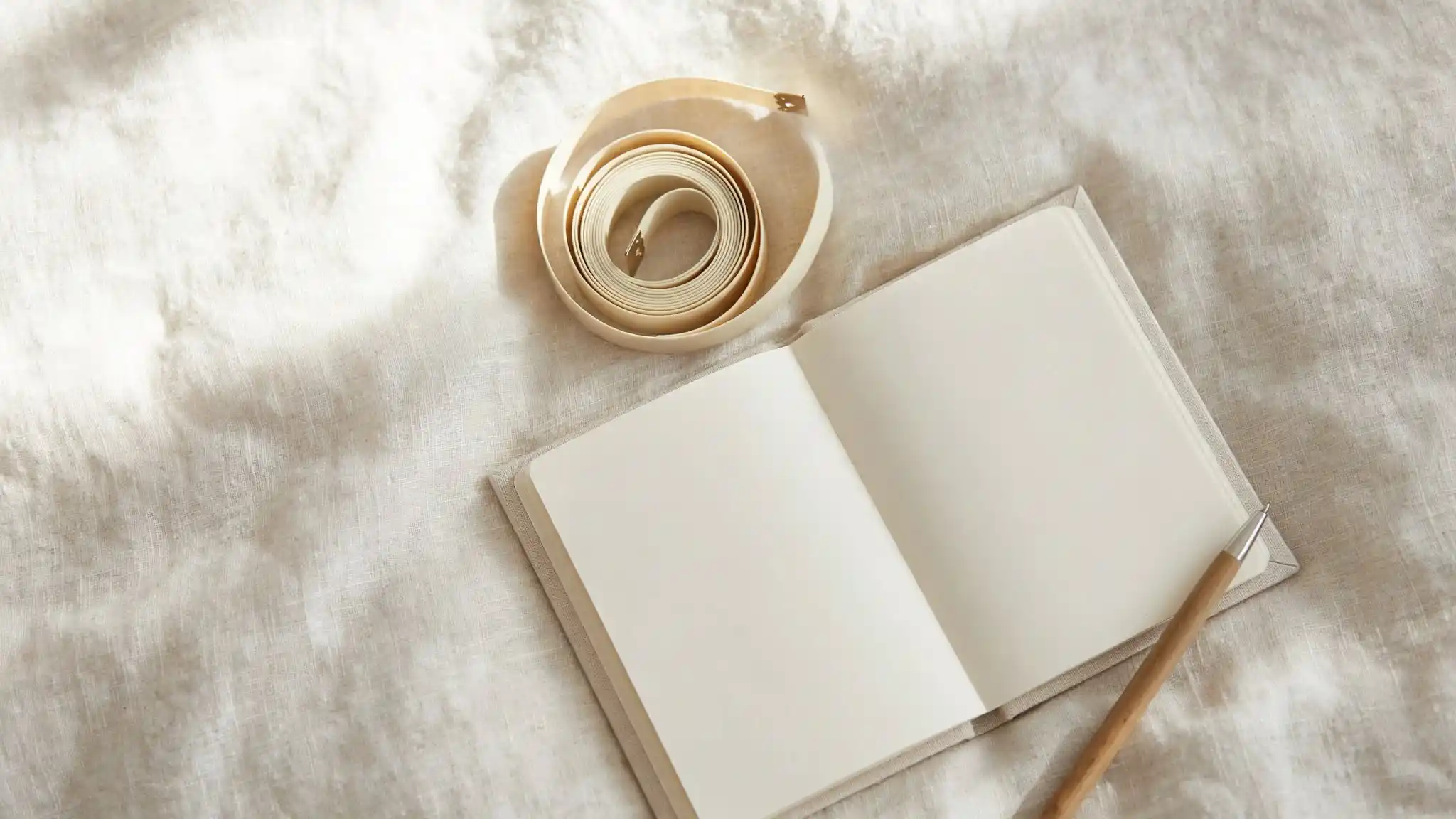
Five numbers will save you from most bad buys. Stand at a mirror in a thin tee and your everyday bra, and measure:
- Bust: around the fullest part
- Waist: the narrowest point, usually 1 inch above your belly button
- Hips: the widest part of your hips and seat
- Inseam: crotch to hem, on pants that fit well
- Arm: shoulder bone to wrist bone, with your arm slightly bent
Write each one down. Sizes change from brand to brand, but your numbers stay the same. If you don’t have a soft tape, use a piece of string, mark it with a pen, and lay it flat on a ruler.
Don’t hold your breath or pull your stomach in. A tape that’s too tight gives you a size that’s too tight, and you’ll feel it every time you sit down. Keep it snug enough to stay in place but loose enough to slide a finger under.
Plan How to Build a Wardrobe Over 40 Around Your Real Week

Your clothes should match the life you live, not the one in a magazine. In your notebook, write down a normal week: how many workdays, what the dress code is, and what fills your weekends.
Then count. If 5 of 7 days are office days with a smart-casual dress code, most of your money goes to blouses and trousers. If you have only two dressy events a year, one blazer over dark jeans covers them.
Scroll through your phone photos from the last month. They show what you wore, which is often different from what you think you wore.
Choose Three Neutral Colors and Two Accents
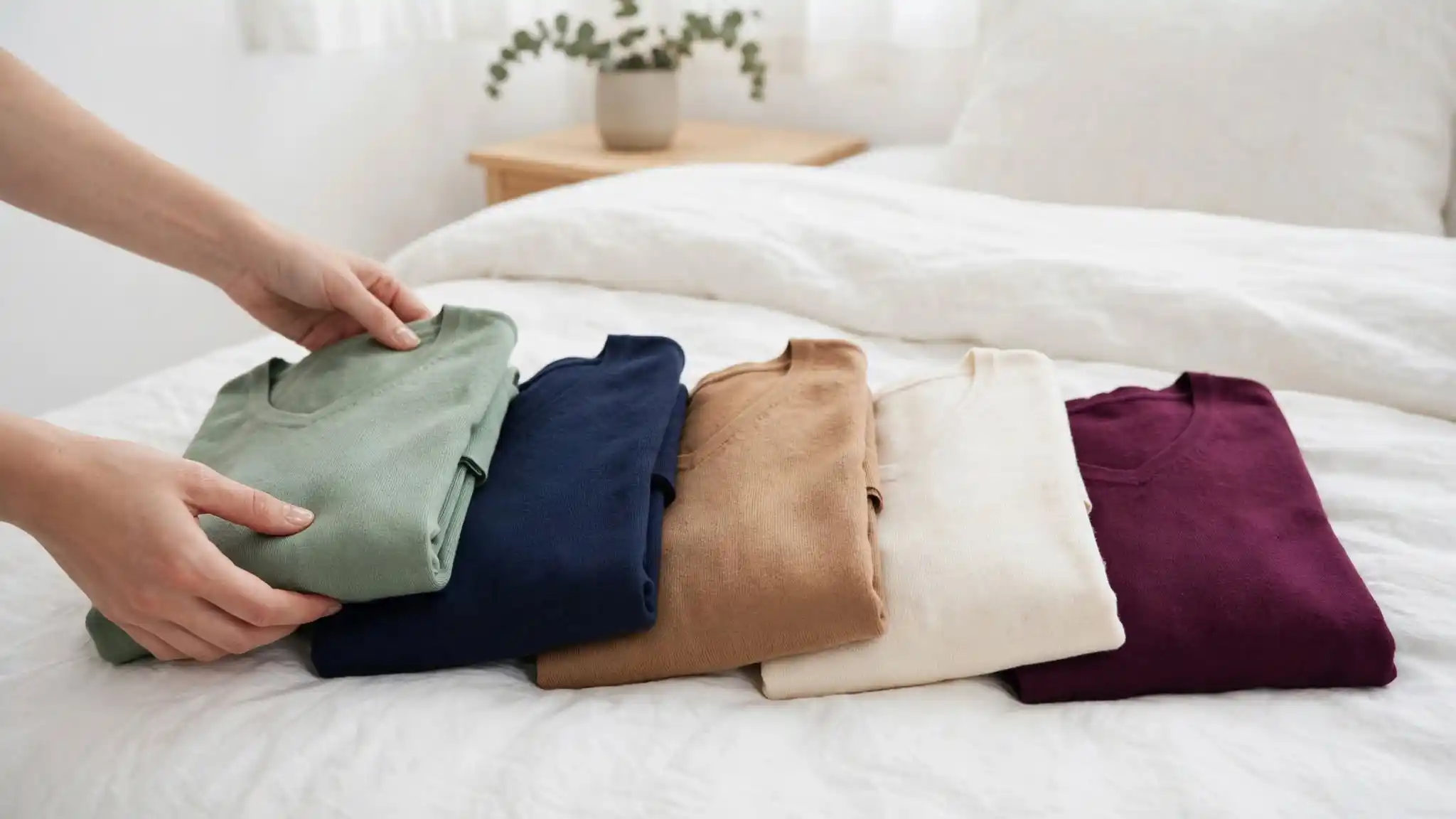
When every piece goes with every other piece, getting dressed takes 10 seconds. Start with three neutrals as your base.
Navy, camel, and cream suit most skin tones and look softer near the face than black. Then add two accent colors for tops, such as sage green and deep berry.
Write all five colors in your notebook and shop only from that list.
Split Your Budget by Category Before You Shop
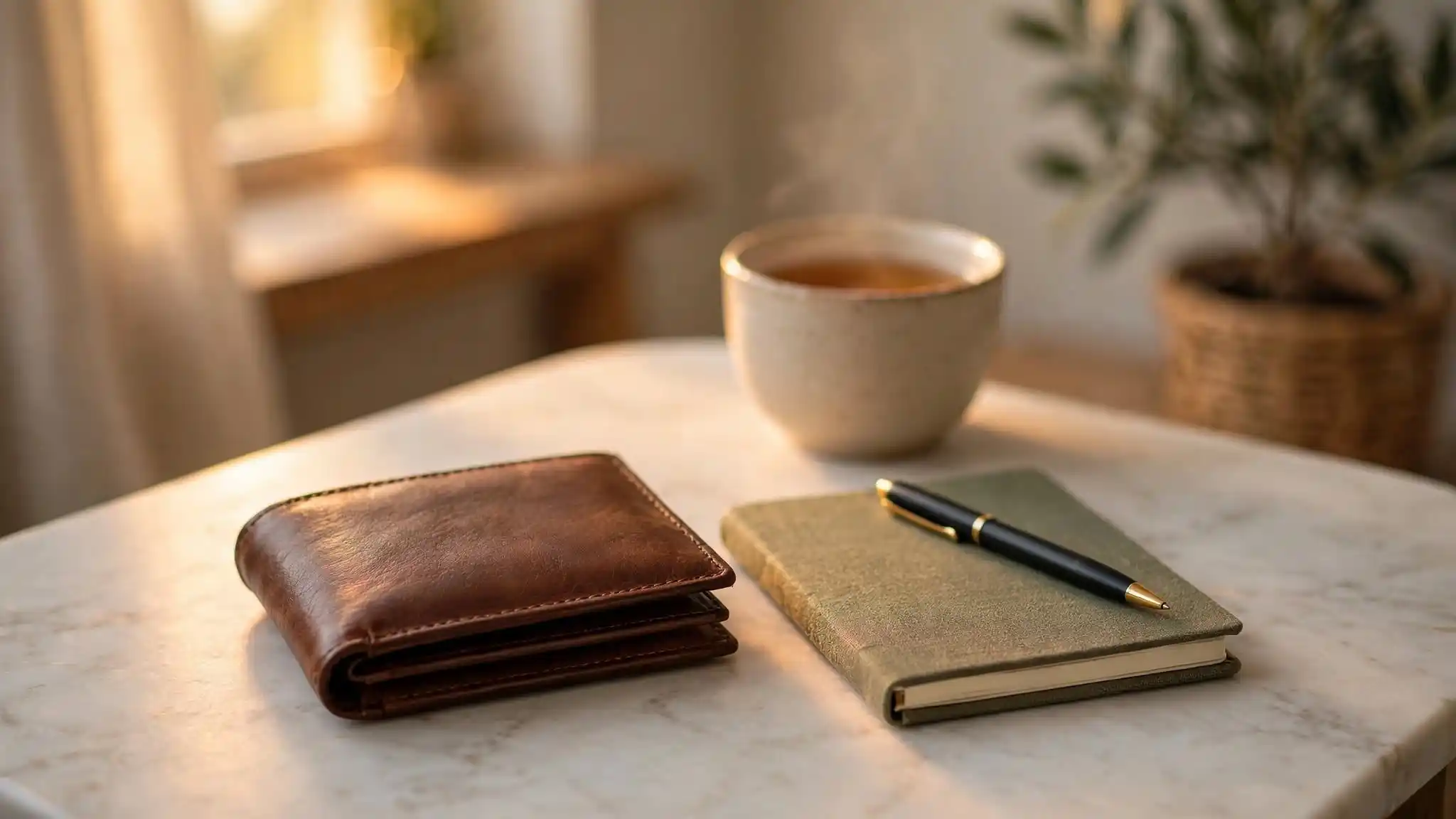
Money tends to run out before the shopping list does. Set a total first, then divide it so no single category eats the rest. For a $600 budget, it looks like this:
- Tops (tees, knits, blouses): $180 (30%)
- Pants: $150 (25%)
- Shoes and bag: $150 (25%)
- Blazer or cardigan: $72 (12%)
- Tailoring: $48 (8%)
If your budget is bigger or smaller, keep the same percentages.
Buy Plain Tees and Knit Tops That Fit Across the Shoulders

A tailor can’t fix shoulders, so get them right in the store. The shoulder seam should sit right on the bone at the edge of your shoulder, not halfway down your arm.
Look for heavier cotton or a modal blend, around 180 GSM or more. Thicker fabric skims your body instead of clinging, and it hides bra lines.
The hem should reach your hip bone so you can wear it out or half-tucked. Buy a mix of crew necks and V-necks.
If tops always pull or droop on you, try petite or plus lines, since they’re cut for different proportions, not only different sizes.
Buy one top first and wash it on warm. Cotton can shrink up to 5%. If it still fits after a wash and a dry, go back for the rest in the same size.
Add Two Pairs of Dark Jeans and One Pair of Tailored Trousers

Ever tugged your jeans up every time you stood? A low rise is usually the reason. Look for a high rise, with a front rise of 10 to 11 inches, so the waistband sits at your natural waist.
Get one pair of straight-leg jeans and one pair of wide-leg or bootcut jeans, both in dark indigo with 1–2% stretch. Before you buy, do three quick tests in the fitting room:
- Sit down for 1 minute
- Squat once
- Lift one knee toward your chest
For the trousers, pick navy or camel in an ankle length.
Women’s sizes vary wildly. A size 12 in one store can fit like an 8 in another. Lay the waistband flat, measure across, double it, and compare it to your waist number from Step 2.
Pick Button-Down Shirts That Fit Your Bust, Not the Label
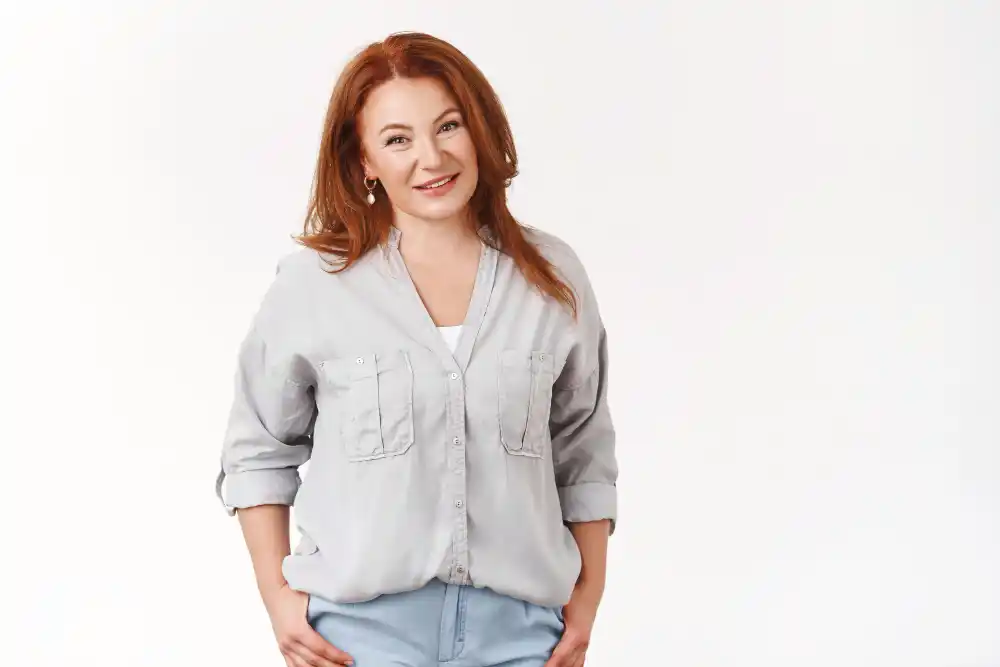
One gap between the buttons at your bust can ruin a good shirt. Buy for your bust measurement first, then have the waist taken in later if it’s loose.
Fasten every button and reach both arms forward, like you’re hugging someone. The front should stay closed, with no pulling across the chest.
Hidden-button styles, where a strip of fabric covers the buttons, avoid gaps completely. Start with one white shirt, one navy shirt, and one in an accent color.
Already have a shirt that gaps? A tailor can sew a small snap between the buttons at your bust for about $5. No one will see it.
Layer With One Soft Blazer or Long Cardigan

A stiff, padded blazer can feel like armor. A soft one moves with you. Look for an unstructured blazer with little or no shoulder padding and a light lining. Button it while standing.
The front should close flat, without the fabric pulling into an X around the button. Sleeves should end at your wrist bone, and the hem should reach your hip or a little lower.
Choose navy or camel. If your days are more relaxed, a long knit cardigan in the same colors does the same job.
Get Two Pairs of Comfortable Shoes and One Everyday Bag
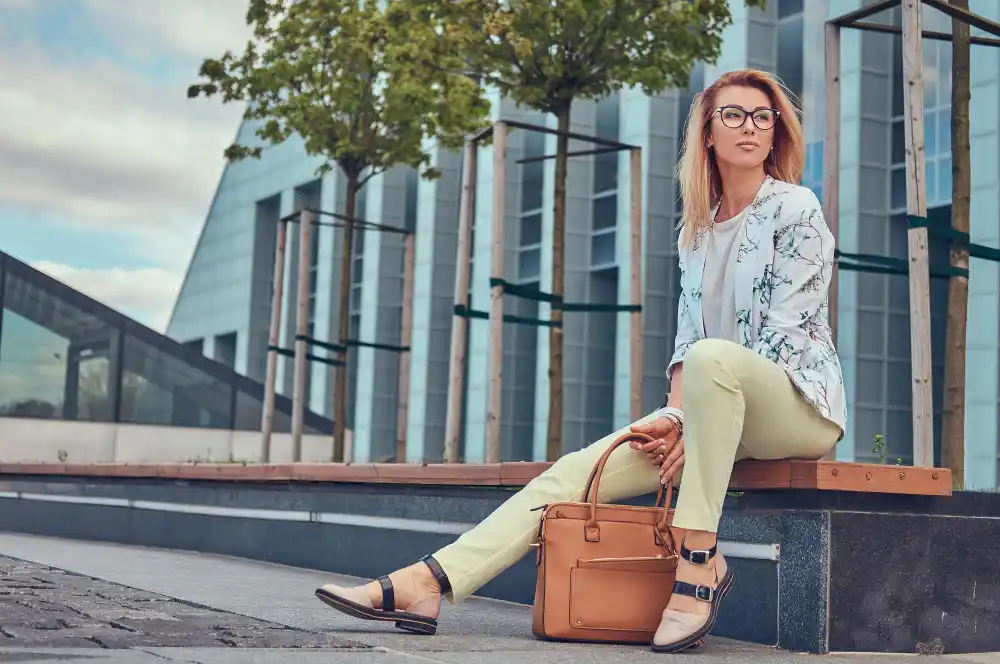
A $100 pair of shoes worn 3 days a week costs about 65 cents per wear in the first year. That’s why it’s worth spending more here.
Get white leather sneakers for casual days and loafers or low block-heel ankle boots for everything dressier. Keep heels under 2 inches and look for cushioned footbeds. If your feet have widened over the years, look for wide-width sizes.
For the bag, pick a crossbody or tote in a neutral leather that matches your shoes. It should hold your phone, wallet, keys, and glasses without bulging.
Take Your Key Pieces to a Tailor for Three Small Fixes

Plan for about 1 week at the tailor, so drop things off before you need them. Bring your jeans, trousers, shirts, and blazer, plus anything from your Tailor bag in Step 1. Ask for these three fixes:
- Hem pants: to the right length for the shoes you’ll wear ($10–$15)
- Shorten sleeves: on shirts and the blazer ($15–$25)
- Take in the waist: on blouses and the blazer for a cleaner shape ($15–$25)
That’s three small changes, and the clothes will look like they were made for you.
Wear or bring the shoes you’ll pair with each pair of pants. Sneakers and ankle boots sit at different heights, and the right hem length depends on the shoe.
Build Five Go-To Outfits and Photograph Each One
Lay one outfit on the bed: a top, pants, layer, shoes, and bag. Put it on, stand at the mirror, and take a photo. Repeat until you have five outfits, two for work, two for weekends, and one for dinners out.
Save the photos in a phone album called “Outfits.” On busy mornings, open the album, pick one, and get dressed.
5 Common Mistakes to Skip
What Changes When You’re Done
- Full closet, nothing to wear
- Shirts gap at the bust
- Jeans you tug up all day
- Colors that don’t go together
- 20 minutes to pick an outfit
- 15 pieces that all fit
- Buttons that lie flat
- Jeans that stay at your waist
- Every piece matches every other
- Dressed in under 2 minutes
Wardrobe Over 40 Cheat Sheet
- Soft tape, notebook, 3 bags
- 5 tees and knit tops
- 3 button-downs or blouses
- 2 dark jeans + 1 trousers
- 1 blazer or long cardigan
- 2 pairs of shoes + 1 bag
- $40–$80 for tailoring
- Sort: Keep, Tailor, Donate
- Measure bust, waist, hips, inseam, arm
- Plan around your real week
- Pick 3 neutrals + 2 accents
- Split budget by category
- Buy tops that fit the shoulders
- Buy high-rise dark jeans
- Fit shirts to your bust
- Add one soft blazer
- Buy 2 comfy shoes + a bag
- Tailor hems, sleeves, waist
- Photograph 5 outfits
Conclusion
You did it. You cleared out the closet, learned your real numbers, and replaced a pile of maybe-fits with clothes that work together.
That’s how to build a wardrobe over 40: fit first, a short color list, and buying in the right order.
For your next step, wear all five outfits over the next two weeks and note which one makes you feel most like yourself. Those pieces are the first ones to buy a second time.