
How to Build a Capsule Wardrobe Over 40

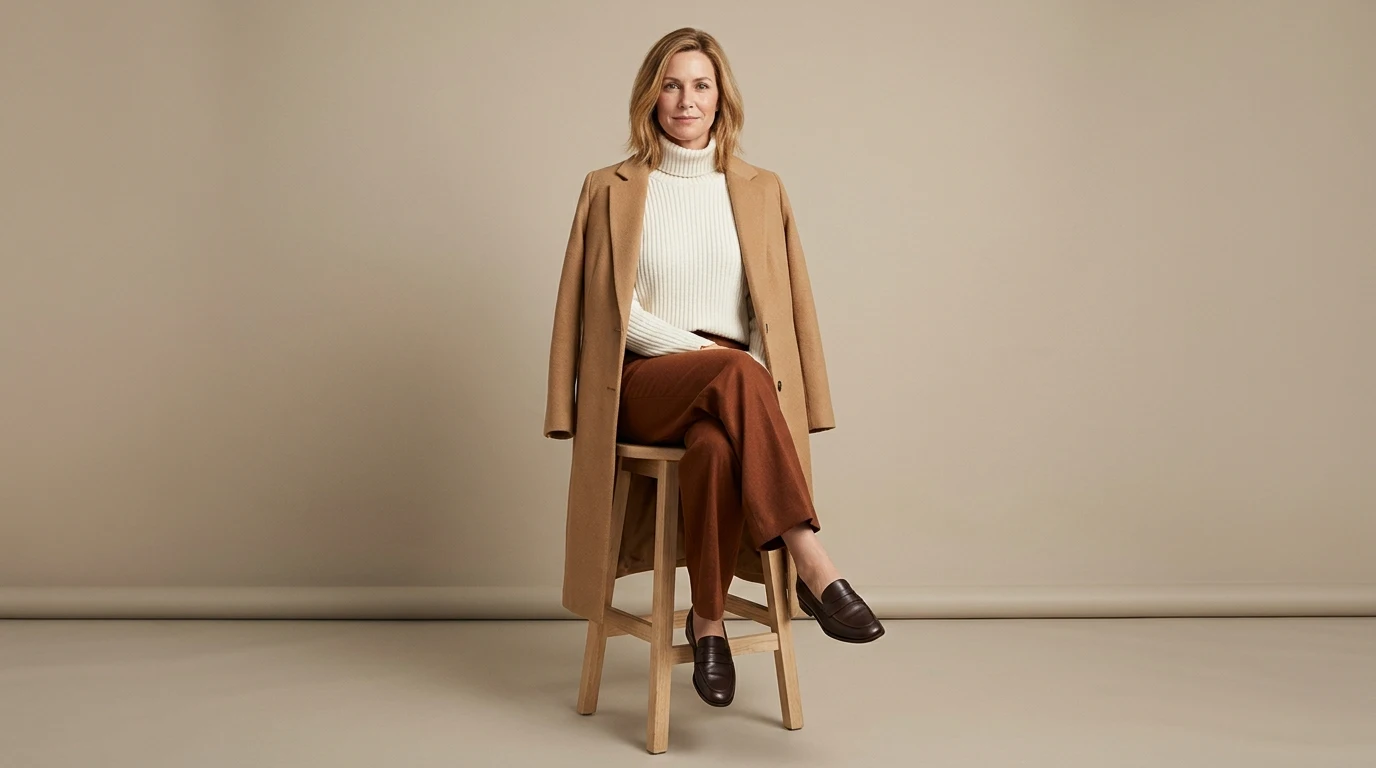
You can build a capsule wardrobe over 40 from about 30 to 35 pieces, and many of them are probably already in your closet.
The goal is a smaller set of clothes that fit the body you have today, suit the week you actually live, and mix into outfits without much thought. If you stand in front of a full closet most mornings and still feel like you have nothing to wear, the problem is usually the mix, not the amount.
Most capsule guides hand you a shopping list built for someone else’s life. This one starts with what you already reach for, what you skip, and why. You’ll find your real favorites, plan around your actual schedule, and clear out what no longer works, all before you spend anything.
Then you’ll choose colors, fabrics, and core pieces that work together. You end up with a closet that saves time on busy mornings and money on impulse buys.
Capsule Wardrobe Over 40
Build a Closet That Fits Your Real Week
Four steps to a smaller wardrobe you’ll actually wear, built mostly from what you already own.
- 30–35pieces
- 4colors
- 3outfits per piece
Step 1
Track What You Actually Wear
Turn every hanger to face the back, then flip it after you wear that piece. After 14 days, the turned hooks show your real favorites. That’s where your capsule starts.
Step 2
Map Your Real Week
Give each part of your week a rough percentage. If 40% is office days, about 40% of your pieces should be office-ready. Build for the life you live, not the one you wish you had.
Step 3
Pick Four Colors That Work Together
Use two base neutrals for pants, coats, and shoes, and two accent colors for tops and scarves. Pick bases with clear contrast, like navy and cream.
Step 4
Keep 30 to 35 Pieces That Mix
Every piece has to make at least three outfits with what you already own. If it can’t, it goes in the maybe bin for 90 days.
Pin this before your next closet edit.
Track what you actually wear for two weeks

Most women wear a small slice of their closet on repeat. There’s usually one pair of jeans, two or three tops, and a cardigan doing most of the work. Those favorites are the base of your capsule, so find them before you buy or toss a thing.
The turned-hanger trick shows you the pattern in 14 days:
- Turn every hanger so the hook faces the back of the closet.
- After you wear a piece, hang it back with the hook facing you.
- Keep a phone note for folded knits, shoes, and bags.
- On day 14, pull out every piece with a turned hook.
Now look for what those pieces share. It might be a soft knit, a mid-rise waist, or a sleeve that reaches the elbow. That pattern tells you more about your style than any quiz.
Watch for one trap: dressing differently because you know you’re tracking. Wear what you’d normally wear. If a trip or a missed laundry day throws off the count, add a few days.
Map your real week before you buy a single piece

Picture your last ordinary Tuesday. Where did you go, and what did you need to wear? A capsule built around the life you wish you had will sit unused, so build it around the one you live.
Write down a normal week and give each activity a rough percentage. Round numbers are fine. Here’s one example:
- Office or client days: 40%
- Working from home: 20%
- School runs and errands: 25%
- Dinners and events: 10%
- Workouts: 5%
Your capsule should follow those numbers closely. With this split, about 40% of your pieces need to be office-ready, and close to half should handle home, errands, and pickup. That leaves room for two or three dressier pieces, not a whole rack.
This step catches the most common capsule mistake: a closet full of blazers and heels for a life spent mostly in jeans. It also shows you where your days overlap.
A dark straight-leg jean and a fine-gauge sweater can cover office Fridays, errands, and a casual dinner. Pieces that cross three parts of your week go to the top of your list.
Sort everything into keep, tailor, store, and let go

You’ll need three hours, a full-length mirror, and four bins. Label them keep, tailor, store, and let go. “Store” is for things that fit and work but aren’t in season, like a wool coat in July.
Try on everything that didn’t get its hanger turned. Your two-week favorites can stay put.
What earns a spot
A piece stays only if it passes all three checks:
- It fits comfortably right now, both sitting and standing.
- You wore it in the last 12 months.
- It works with at least two other pieces you’re keeping.
What goes to the tailor
Some near-misses need only a small fix. Hemming pants, taking in a gapping waistband at the back, and shortening sleeves are usually low-cost jobs.
Skip anything that needs work at the shoulders. That repair is hard and often costs more than the piece is worth.
The maybe bin and the 90-day rule
Undecided pieces go in a separate box with today’s date on it. Put it out of sight. If you don’t open it to wear something within 90 days, donate or sell everything inside.
For sentimental pieces, keep one or two in a memory box, not on hangers taking up space.
Choose two base neutrals and two accent colors

Four colors are enough to make almost every piece in your closet work together. Two base neutrals carry the heavy pieces: pants, coats, blazers, shoes, and bags. Two accent colors show up in tops, sweaters, and scarves.
Look back at your turned hangers before you pick. Most women already lean toward one base color without noticing. Start there, then use the table to find colors that pair well with it.
| Base neutrals | Accent colors | Often suits |
|---|---|---|
| Navy + cream | Rust, soft blue | Most skin tones |
| Camel + black | Burgundy, emerald | Warm undertones |
| Charcoal + white | Cobalt, blush pink | Cool undertones |
| Olive + ivory | Mustard, terracotta | Warm undertones, darker hair |
Use the table as a starting point, not a rule. If an accent color makes you feel good in photos, it belongs in your capsule even if the chart says otherwise.
The common slip is picking two bases that sit too close, like black and charcoal. Next to each other they look like a mismatch rather than a choice. Pick bases with clear contrast.
If black near your face looks harsh on you, keep it on bottoms and shoes. Wear cream or navy on top instead.
Pick fabrics that hold their shape and breathe

If a top looks sharp at 8 a.m. and limp by lunch, the fabric is the problem, not the cut. Thin knits stretch out at the hem and cling at the middle. Cheap blends trap heat, which matters on days when your body temperature swings without warning.
This table covers the fabrics you’ll see most often:
| Fabric | Best for | Watch out for |
|---|---|---|
| Merino wool | Sweaters, layering tees | Hand wash or wool cycle only |
| Ponte knit | Pull-on pants, dresses | Thin versions bag at the knee |
| Cotton jersey | Tees, casual tops | Lightweight tees cling and twist |
| Tencel or lyocell | Shirts, blouses, wide-leg pants | Can shrink in a hot dryer |
| Linen | Summer shirts and trousers | Wrinkles within an hour |
| Polyester blends | Outerwear, pleated skirts | Traps heat in tops |
The pattern is clear: breathable fibers go closest to your skin, and sturdy blends work best on the outside.
Before you buy a tee, hold it up to the light. If you can see your hand clearly through it, it will cling and lose its shape after a few washes. Some product pages list fabric weight. A tee around 180 GSM or higher usually holds up well.
Build your capsule wardrobe over 40 around 30 to 35 core pieces

Your dark straight-leg jeans from the two-week test are already in. Everything else gets built around pieces like that, the ones you already trust.
The counts below add up to about 23 clothing pieces. Shoes and bags make up the rest, and they get their own section later. Jewelry and scarves don’t count toward the total.
Tops (8 to 10)
Tops change the most from outfit to outfit, so they take up the largest share. Mix sleeve lengths so some tops sit smoothly under a blazer.
- Knit tees: three, in your base and accent colors, in crew or V-neck.
- Fine-gauge sweaters: two, one crew and one V-neck.
- Button-down shirts: one or two, in crisp cotton or soft Tencel.
- Blouses: one or two in a solid accent color, for work or dinner.
- Striped top: one, as your only pattern.
Bottoms (5 to 6)
Aim for a 10- to 11-inch rise on jeans and trousers so tucked tops stay put when you sit.
- Dark straight-leg jeans
- A second jean in black or a lighter wash, in a different leg shape
- Tailored trousers in a base neutral, ankle length
- Pull-on ponte pants for long days
- A midi skirt, pleated or slip style
If skirts aren’t you, swap the skirt for a second pair of trousers.
Layers and outerwear (4 to 5)
These pieces turn a tee and jeans into an outfit for work or dinner.
- An unstructured blazer in a base neutral
- A long cardigan that falls to mid-thigh
- A denim or utility jacket
- A trench coat or wool coat, depending on your winters
Dresses or jumpsuits (2 to 3)
Check your weekly map here. If events take up 10% of your week, one dressy piece is enough.
- A knit midi dress that works with sneakers or boots
- A wrap or shirt dress for the office
- A dark slip dress or jumpsuit for evenings
Fit-check each piece at the shoulders, waist, and hem

You zip up your favorite trousers. They fit at the hips but gap at the back of the waist, and they pull across the front when you sit. Nothing about your taste changed. The fit did. Body shape often shifts in the 40s, usually at the waist and bust, so a size that worked three years ago can sit differently now.
Size labels also vary a lot between brands. Ignore the number on the tag. Check these five spots in a full-length mirror instead:
- Shoulders: The seam should land on your shoulder bone, not past it or above it.
- Bust: Button-down shirts shouldn’t gap between buttons. If they do, size up and have the waist taken in.
- Waist: Sit down. You should be able to slide two fingers into the waistband without it digging in.
- Hem: Ankle-length pants should end at the ankle bone. Full-length wide-leg pants should sit about ½ inch off the floor when you have shoes on.
- Sleeves: The cuff should reach your wrist bone when your arms hang down.
Fit the widest part of your body first, then tailor the rest. A good tailor can take in a waist, shorten sleeves, or slim the sides of a boxy blazer for far less than the cost of a new one. Shoulders are the one spot to get right in the store.
One more catch: hem each pair of pants for one shoe height. Trousers hemmed for heels will drag when you wear them with flats.
Keep shoes and bags to a short list that covers every outfit

Shoes decide whether you wear an outfit at all. If they hurt by noon, the whole look goes back in the closet. Aim for five or six pairs in your base neutrals:
- Leather sneakers in white or cream
- Ankle boots with a 2-inch block heel
- Pointed or almond-toe flats, or loafers if you prefer more coverage
- Low block-heel sandals for warm months
- Tall boots, if your winters are cold
Many women find their feet change size or width over the years, so have yours measured again. Shop in the afternoon, when feet are largest, and walk on a hard floor before you buy.
Bags need even less space. Two or three cover a full week:
- A structured tote that fits a laptop
- A crossbody for weekends and errands
- A small shoulder bag for evenings
Test the mix with three outfit formulas

Every piece in your capsule has to make at least three outfits with other pieces you already own. Hold up each item and name three outfits out loud. If you can’t, that piece is working against the rest of your closet, and it goes in the maybe bin.
An outfit formula is a repeatable recipe: one bottom, one top, one layer, one shoe. Once you know a few, getting dressed stops being a daily decision. Here are four built from the pieces in this guide:
| Occasion | Formula | Example |
|---|---|---|
| Work | Trouser + blouse + blazer + flat | Navy trousers, rust blouse, cream blazer, pointed flats |
| Weekend | Jean + striped top + jacket + sneaker | Dark jeans, striped top, denim jacket, white sneakers |
| Dinner out | Midi skirt + fine knit + ankle boot | Slip skirt, merino V-neck, block-heel boots |
| Travel day | Ponte pant + tee + long cardigan + sneaker | Black ponte pants, cream tee, camel cardigan, sneakers |
Swap a piece of the same type into any row and you get a new outfit. That’s why twenty-odd pieces can produce dozens of looks.
Each time you put together an outfit you like, take a mirror photo and save it to one album on your phone. After a month, you’ll have a menu to pick from on rushed mornings.
Fill gaps slowly with a written shopping list

Write your shopping list on paper or in your phone before you go near a store or a sale email. Hold your closet up against the core list from earlier and note every gap. Then put the gaps in order using your weekly map. If 40% of your week is office days and you own no work trousers, those go first.
Buy one gap at a time. Wear the new piece for two weeks before buying the next. That pause shows you whether it actually works with the rest of your closet or only looked good in the fitting room.
Cost per wear tells you where to spend more. Divide the price by the number of times you expect to wear the piece in a year. Jeans, a coat, a blazer, and everyday shoes get worn several times a week, so they earn a bigger budget. Accent tees and trend pieces earn less.
Quality shows up in a few quick checks you can do in any store:
- Seams: Pull gently. You shouldn’t see gaps or thread between the stitches.
- Fiber label: Check the fabric content against the table in the fabric section.
- Lining: Blazers and skirts with lining hang more smoothly and last longer.
- Buttons: Tug them. A spare button sewn inside is a good sign.
On a tight budget, check consignment and secondhand shops for blazers and wool coats. Those pieces hold up well and often show almost no wear.
Refresh it each season without starting over
Twice a year, when the weather turns, give your capsule an hour. Pack away out-of-season pieces and bring the stored ones forward. Try everything on before it goes back on a hanger, because fit can change in six months.
Store wool and knits in breathable cotton bags rather than sealed plastic. Add cedar blocks to keep moths away.
A few habits keep the capsule from slowly growing back into a crowded closet:
- One in, one out: Every new piece replaces one that leaves.
- Replace like for like: When jeans wear thin, replace them with the same rise and leg shape that already works.
- Keep trends small: Try new ideas through a scarf, earrings, or one inexpensive top, not new trousers or a coat.
- Run the hanger trick again: One week at each swap shows what you’ve stopped wearing.
Your base colors and core shapes should stay mostly the same from year to year. The accents are where you can play. A capsule that changes only at the edges is one you’ll keep using.
FAQs
Should I count workout clothes and pajamas in my capsule wardrobe?
No, keep them separate from your 30 to 35 pieces. Sleepwear and gym clothes do a different job, so counting them squeezes out pieces you wear in public. The exception is anything you wear out of the house on a regular basis. If black leggings and a zip-up go to school pickup three times a week, they belong in the capsule count.
How do I keep a capsule wardrobe from feeling boring?
Change the details, not the core. Rotate scarves, earrings, and belts each week, and mix textures like a chunky knit with silky trousers or suede boots with denim. Try a new outfit formula each month. Once a year, swap one accent color for a new one so the closet feels fresh without a full rebuild.
How do I build a capsule wardrobe over 40 on a tight budget?
Start with what you already own and buy only the top one or two gaps on your list. Put most of your money toward the pieces you wear most, like everyday shoes and a good pair of jeans. Look for blazers and wool coats secondhand. Hold off on dresses and dressy pieces until the everyday basics are covered.
Can a capsule wardrobe work if my size changes during the year?
Yes, if part of it adjusts with you. Wrap dresses, ponte pull-on pants, trousers with an elastic back waistband, and drapey knit tops stay comfortable through small shifts in size. Keep two or three key pieces, like jeans and one pair of trousers, in a second size in your store bin. That way you never have to rebuild everything at once.